Do you have trouble using Apple Pay on your iPhone ? Whether it’s a one-off or recurring problem, problems with Apple Pay not working can crop up for various reasons. For example, it could be a faulty payment terminal, a conflicting iPhone setting, a complication on the server-side … the list goes on.
So here are 15 things you can try to resolve Apple Pay issues on the iPhone. The fixes in this tutorial also apply to the iPad.
1. Use Different Terminal at Checkout
If nothing happens while attempting to use Apple Pay at a contactless terminal, start by looking for the following symbols to make sure that it supports Apple Pay as a payment option in the first place.

If it does, the issue could be limited to the terminal only. Try asking for a different terminal to complete your purchase.
2. Hold Your iPhone Correctly
The NFC (Near Field Communication) chip on your iPhone is close to the rear camera. If you continue to have trouble completing a purchase, hold your iOS device in a way that allows it to communicate with the terminal’s NFC reader correctly.
3. Remove Your iPhone’s Case
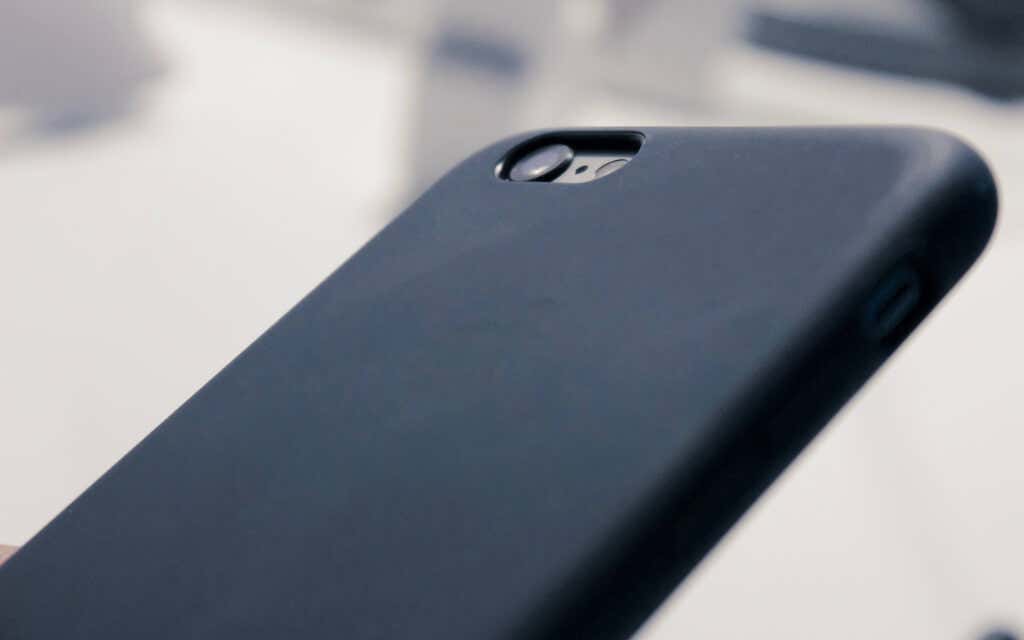
An extremely bulky or rugged case can also prevent the NFC chip on your iPhone from communicating with a payment terminal. Try removing it. Apple Pay might work without issues after that.
4. Disable Low Battery Mode
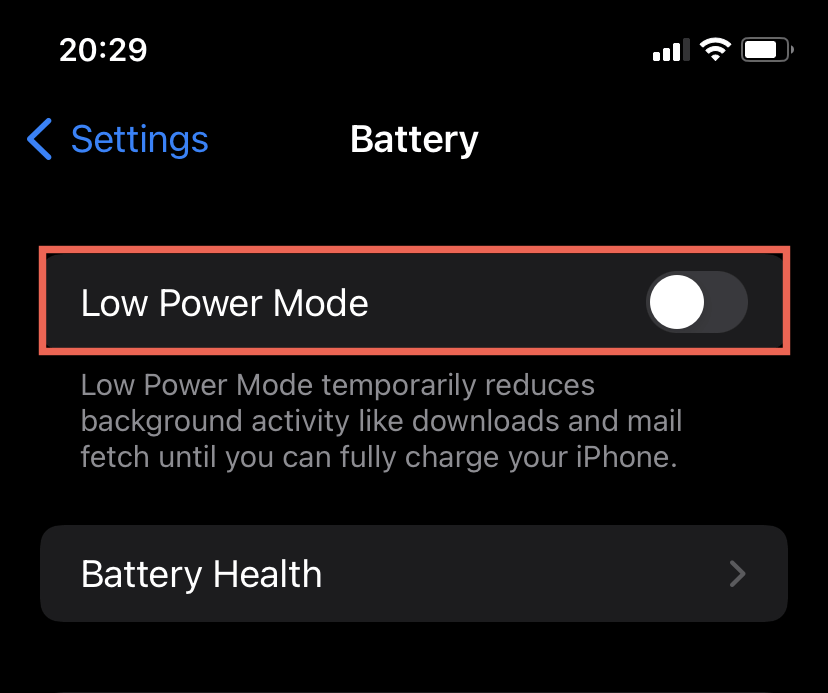
Your iPhone’s Low Power Mode conserves battery life by cutting background processes. However, that can create problems while performing transactions through Apple Pay.
So if you see a yellow-colored iPhone battery status icon , disable it by heading over to General > Battery . You can always re-activate it after completing a purchase.
5. Force-Quit the Wallet App
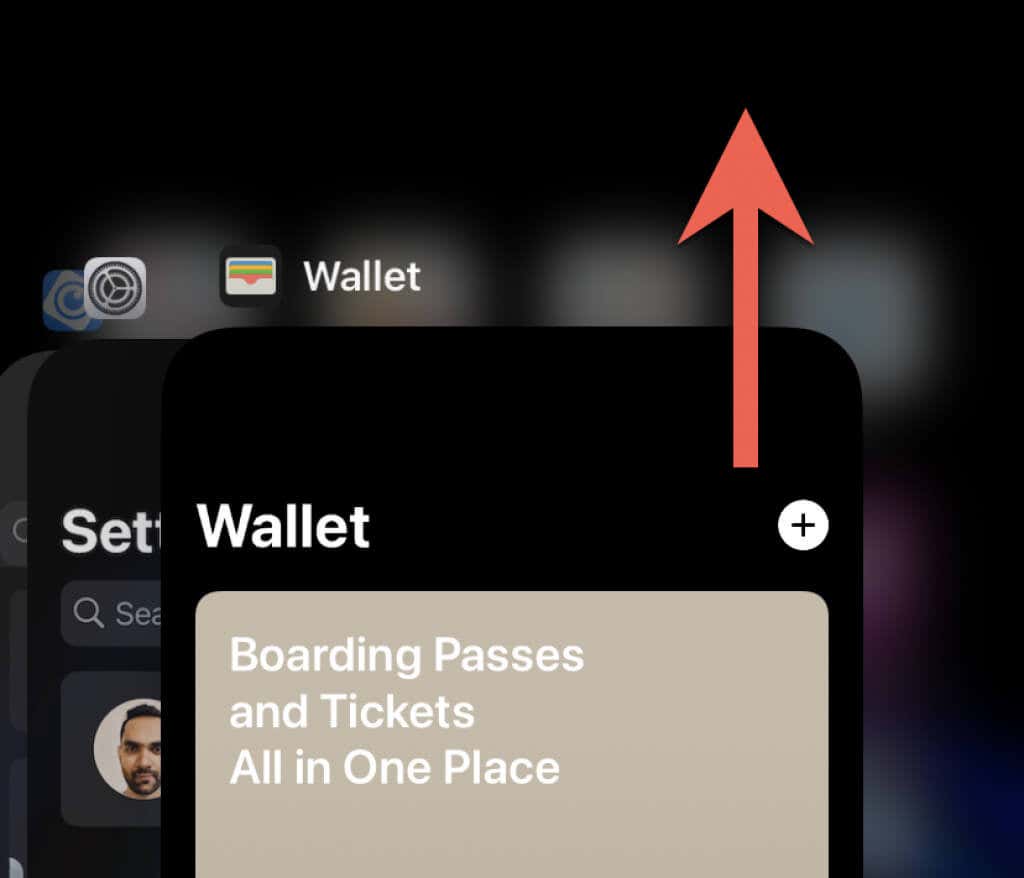
Another quick Apple Pay fix involves force-quitting the iPhone’s Apple Wallet app. Just start by swiping up from the bottom of the screen (or double-click the Home button twice if your iPhone uses Touch ID) to invoke the App Switcher. Then, drag the Wallet card out of the screen.
6. Restart Your iPhone
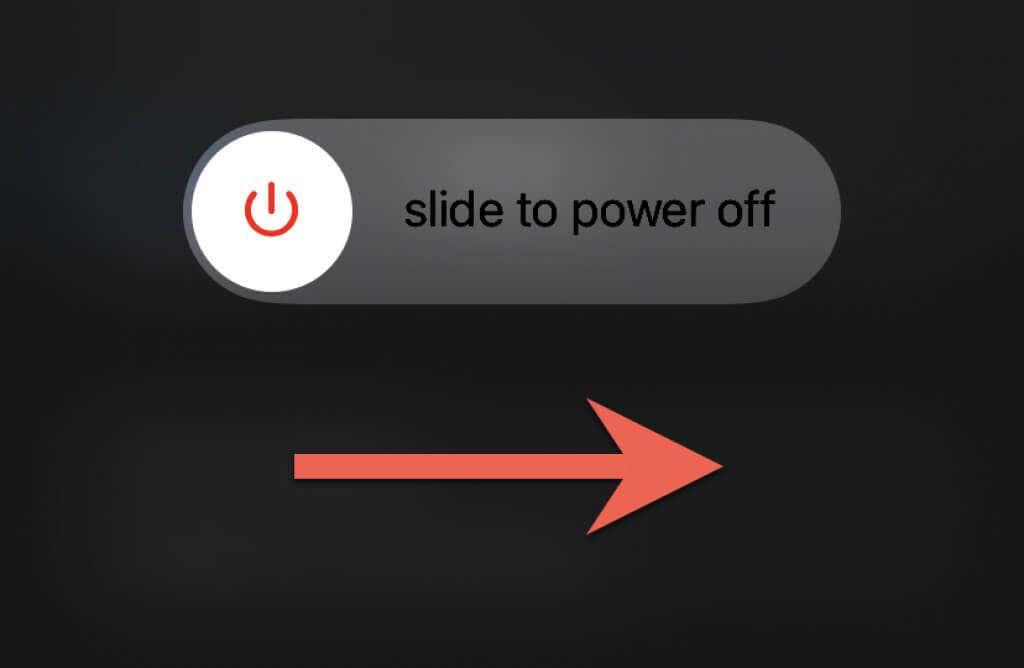
Next up, try restarting your iPhone. To do that, open the Settings app, go to General > Shutdown , and follow by dragging the Power button to the right to turn off the device. Then, wait for 30 seconds and hold down the Side button until you see the Apple logo.
7. Check the Apple System Status
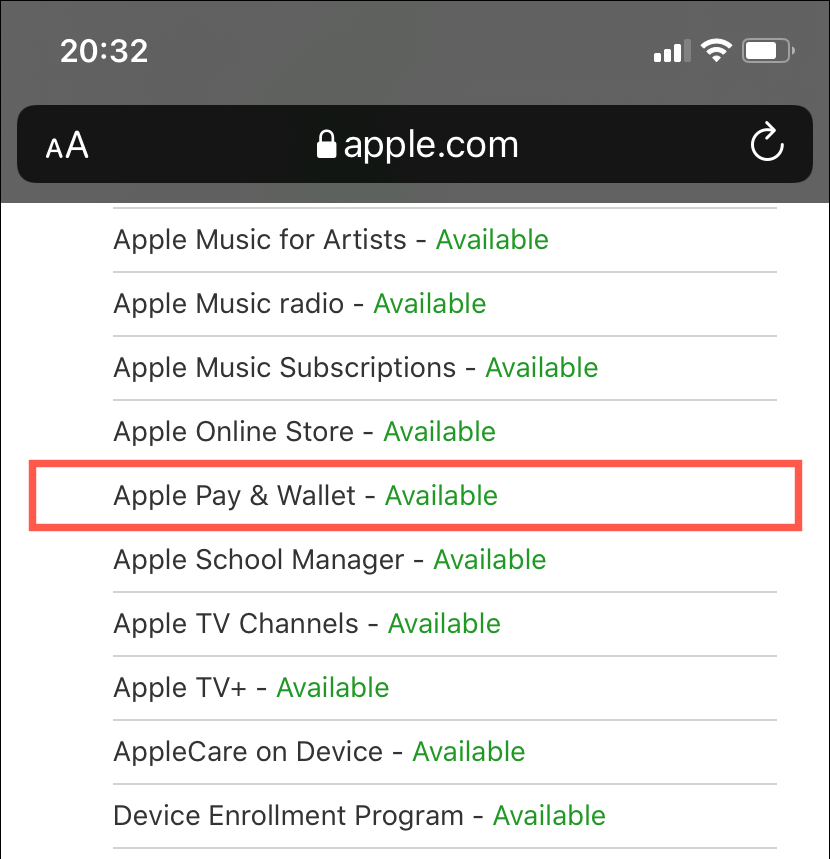
If Apple Pay continues to fail on your iPhone, you may want to ensure that nothing’s wrong on the server-side. So head over to Apple’s System Status page and check the system status next to Apple Pay . If things don’t appear okay, you must wait until Apple fixes the issue.
8. Pick Another Payment Card
Payment issues can be related to your default credit or debit card. If possible, use a different card to complete the purchase. To do that, just tap the default card at checkout to switch between cards . If the issue occurs while using an Apple Watch, just scroll down to pick a different card.
9. Activate Face ID/Touch ID for Apple Pay
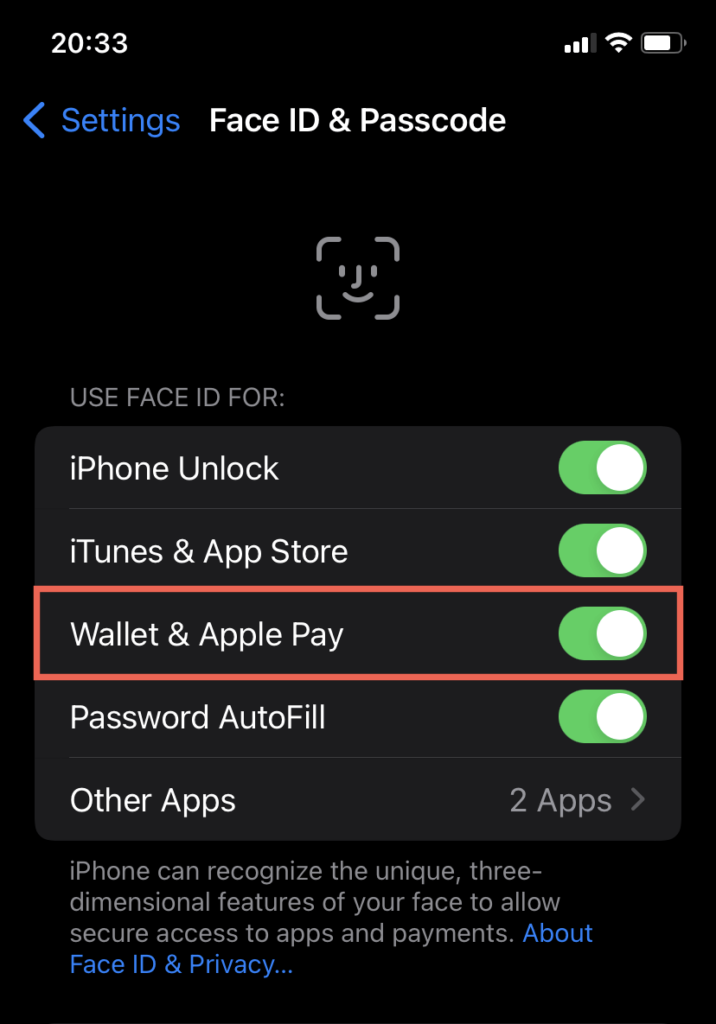
If Apple Pay does not have the permission to use Face ID or Touch ID , you won’t be able to authorize cards and passes at checkout. To fix that, open the Settings app and tap Face ID & Passcode . Then, enter your device passcode and turn on the switch next to Wallet & Apple Pay .
10. Activate Apple Pay in Safari
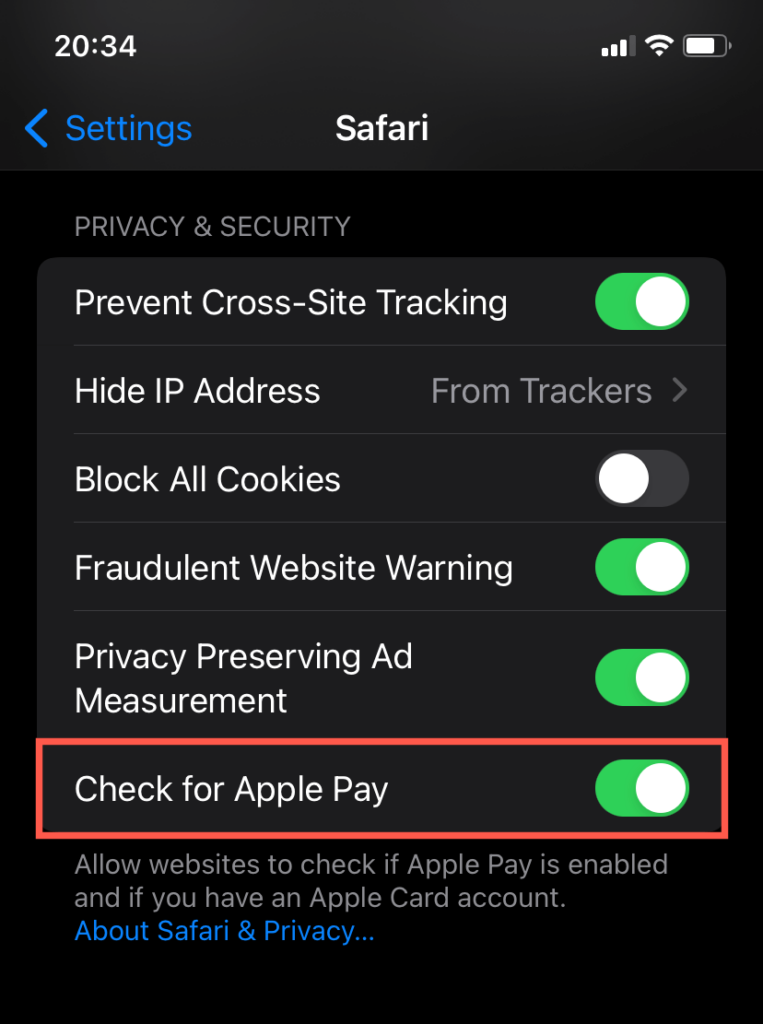
If you don’t see Apple Pay as a payment option while performing a transaction online in Safari, you must permit websites to check if Apple Pay is active on your device. To do that, open the Settings app and tap Safari . Then, scroll down to the Privacy & Security section and turn on the switch next to Check for Apple Pay .
If you keep running into the same issue while making web purchases on your Mac, select Safari > Preferences > Privacy on the macOS menu bar and ensure that the checkbox next to Allow websites to check for Apple Pay and Apple Card is active.
11. Re-add Credit/Debit Card
If you continue to have issues while using a specific credit or debit card in Apple Pay, removing and re-adding it to your iPhone can help. So start by opening the Wallet app, pick the card you want to remove, tap the More (three dots) icon, and select Remove Card .
Next, tap the Add Card / New Card ( + ) button at the top right of the screen and scan the card or manually enter the card information. You must then work through the onscreen instructions to authorize the card again for use with Apple Pay.
12. Update the iPhone’s System Software
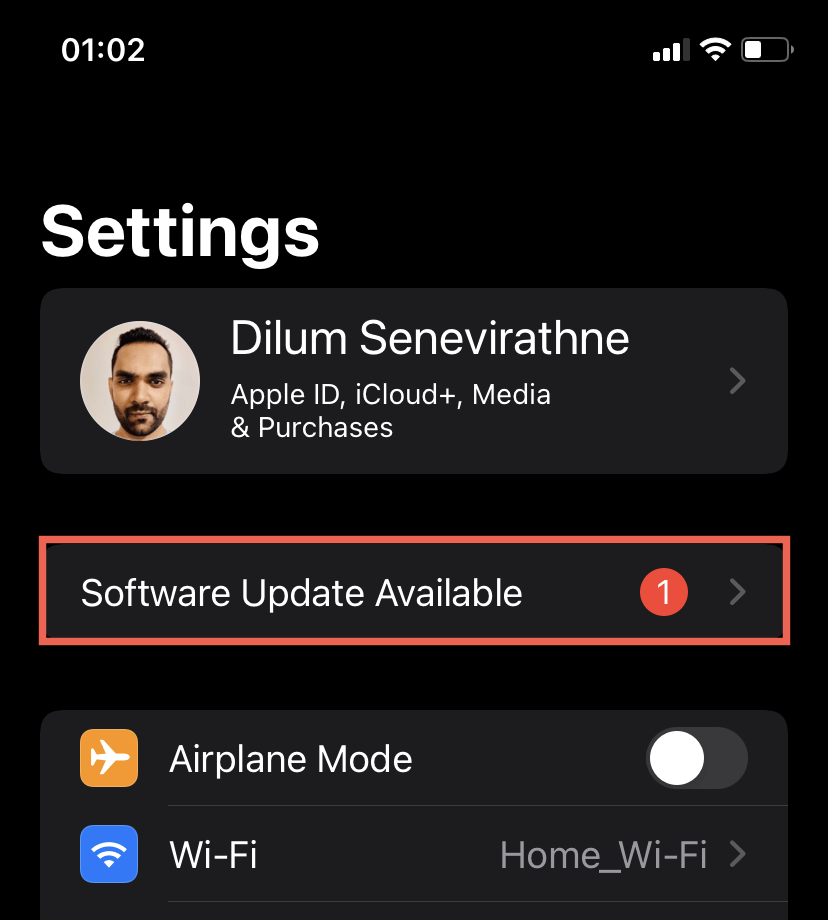
Next up, try updating the system software on your iPhone. That often helps resolve system-related issues—especially if you recently upgraded to a major release such as iOS 15 —preventing Apple Pay from working.
So just open the Settings app and tap General > Software Update > Download & Install to install any pending iOS updates. Learn what to do if your iPhone fails to update .
13. Reset Network Settings
To resolve any connectivity issues preventing Apple Pay from working correctly, try resetting the network settings on your iPhone.
Open the Settings app and tap General > Transfer or Reset iPhone .
Tap Reset > Reset Network Settings .
Enter your iPhone’s device passcode and tap Reset Network Settings to confirm.
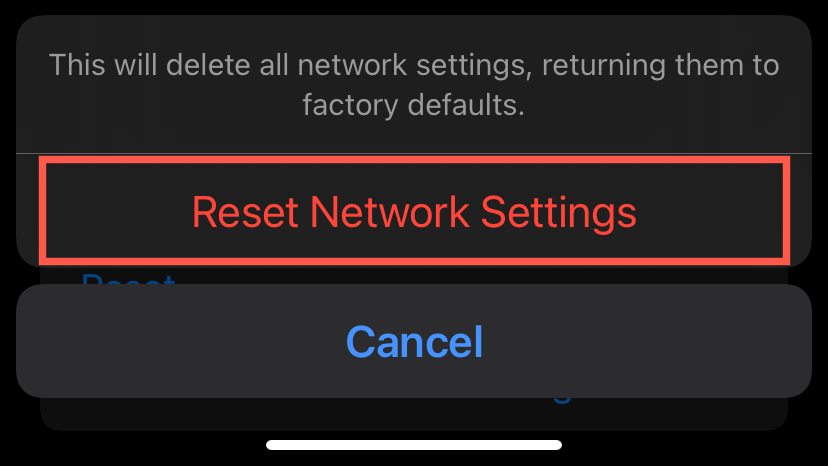
Note : Resetting the network settings removes all saved Wi-Fi networks, so open the Settings app and tap Wi-Fi to reconnect to Wi-Fi.
14. Sign Out and Back Into Apple ID
If you continue to experience issues with Apple Pay on your iPhone, signing out and then back into your Apple ID might help.
Open the Settings app and tap Apple ID .
Scroll down and tap Sign Out .
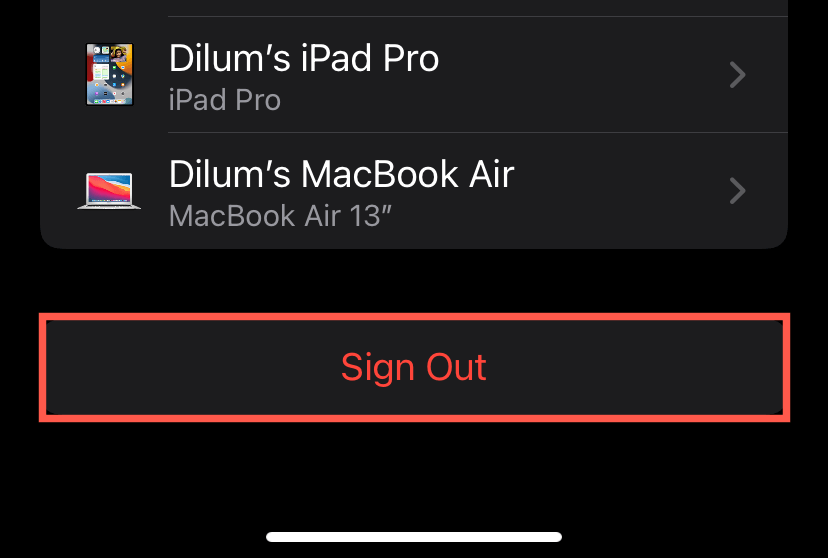
Disable Find My iPhone and turn on the switches next to the forms of iCloud data you want to keep locally on your iOS device.
Select Sign Out to confirm.
Restart your iPhone.
Re-open the Settings app, and then tap Sign In to sign back in using your Apple ID.
15. Contact Apple Support
If your attempts at troubleshooting Apple Pay on your Apple devices didn’t work, you must contact Apple Support to resolve the issue. If you feel that the problem is related to your credit card or debit card, try contacting your bank or card issuer instead.
- How to Set Up and Use Apple Pay Later
- How to Change Your Apple Pay Default Card
- How to Remove a Card from Apple Pay
- Why Apple Pay Displays a “Fraud Suspected” Alert (And How to Avoid Apple Pay Scams)
- How To Pay Someone With Apple Pay on Your iPhone
Passcodes suck. They take a long time to type in, it’s easy to forget them and most people probably pick something really easy to guess, which hurts their security. This is why biometric unlock methods are so popular.
All but the most inexpensive smartphones now have fingerprint scanners built-in. One little touch and your phone unlocks, which is pretty convenient. But more devices are also now using facial recognition instead since screens are getting so large. Apple is no different and offers devices that use both of these technologies to secure them. Technologies that are officially known as Face ID and Touch ID.

But how do Face ID and fingerprint scans work?
What Are Face ID & Touch ID?
The obvious answer to this question is that Face ID is a face unlock system and Touch ID is a fingerprint unlock system. Job done. End of article. Right? Well, it’s a little more complicated than that because although lots of different companies use faces and fingerprints to unlock their devices, they don’t all work in the same way.
These two biometric systems are Apple’s proprietary solutions to the biometric problem. This matters because companies like Apple feel that their approach and technology are more secure than their competition. It matters because hackers and other security specialists have managed to fool systems like these in the past.
As you’d expect, there’s a race between the creators of biometric security sensors and those who want to defeat them. You must know how the sensors on your Apple device work and what their limitations are.
How Does Face ID & Touch ID Work?
Touch ID is Apple’s most mature biometric system and you’ll find it on certain models of iPhones, iPads, and MacBook Pros. Its sensors use the sapphire crystal as the button material. This is very hard and incredibly resistant to scratches, which is why high-end smartphone cameras also use sapphire lens covers.
When you place your finger on the button, a very high-resolution image is taken of your fingertip. A proprietary software algorithm then examines the image, transforming your fingerprint into pure math. This is then compared to the stored mathematical transformation of the fingerprint that was registered when Touch ID was set up. If they match, then the device unlocks.

Face ID works in a pretty smart way as well. Many devices use a normal camera for facial recognition. It compares the photo it has on record with the one you are presenting to unlock the device. The software that does the facial matching is quite sophisticated, but many of these cameras can’t tell the difference between a photo or a mask, so they can be fooled into unlocking.
Face ID, on the other hand, makes use of a specialized TrueDepth camera to create a very detailed depth map of your face. One with over 30 000 points. It combines this with an infrared image of your face to create a facial profile. The neural net machine learning hardware components of modern Apple mobile device processors make this level of sophistication possible.
So how secure are these technologies and are they good enough for you to trust?
General Biometric Security Flaws
First of all, some security vulnerabilities apply to biometric systems in general. The biggest problem with using an aspect of your biology to unlock something is that you can’t change it. If someone managed to make a perfect copy of your fingerprint or face, they could unlock anything. If someone figures out a password or passcode, just change it.

This sort of thing has happened in the past and the way that biometric sensors have got around it is by becoming more detailed and looking at multiple aspects of your biology. For example, finer details of your fingerprints or the presence of body heat. Those who want to defeat these systems have to get better at replicating your biology, which is impractical for the average hacker at a certain point.
The biggest weakness of biometric systems is a pretty simple one. Someone can simply take your finger or face and force you to unlock your device. That’s different from a password or code which you can “forget” or otherwise withhold. We’ll deal with this scenario at the end of the article.
How Secure Are Face ID & Touch ID?
This is a bit of a loaded question since that depends on what your definition of ‘secure’ is. Usually, the security of systems like these is expressed as the odds of someone randomly beating them. That’s the “brute force” method of cracking a digital lock. For Touch ID there’s only a 1 in 500,000 chance of someone’s fingerprint being similar enough to yours that Touch ID will be fooled.
Of course, that’s very different compared to someone making an impression of your fingerprint or creating fake ones from a scan. Then again, how likely that is to happen depends on who you are and if someone would be motivated to take this extreme path. If you’re a VIP who draws this sort of attention, you shouldn’t be using biometrics, since they aren’t secure enough at that risk level in our opinion.

Face ID is more secure from a brute force perspective according to Apple’s numbers. With a one-in-a-million chance of a random person looking enough like you. Identical twins are perhaps the exception here. So what about photographs or masks that replicate your face? Face ID has countermeasures for this. As mentioned above, photos won’t work since the camera can sense depth. It uses neural net technology to also mitigate against the use of masks.
There are no numbers to tell us how effective this is, but once again for the average user, no one is going to spend thousands or even millions of dollars creating technology to defeat Face ID. If you’re the president of a country, don’t use biometric locks.
Activating The iOS Biometric Killswitch
Now only one issue remains. What if someone is in a position to force you into unlocking your phone? They just have to point it at your face or put your finger on it, after all. If you think you may be entering this situation, you can simply click the on/off button five times and biometrics will be disabled in favor of a passcode.

On the iPhone 8 and up you need to squeeze the side button and either of the volume buttons. These methods could be different when you read this, so be sure you look up the biometric killswitch method for your specific iOS device.
In short: Face ID and Touch ID are plenty secure for most people, but not for people who need military-grade security. If you are however very paranoid, use a six-digit passcode instead.
- How to Fix Face ID With a Mask Not Working on iPhone?
- How to Use Face ID on iPhone With a Mask On (No Apple Watch Required)
- Is iPhone Face ID Safe To Use?
- Fix Apple Watch Charging Problems (All Models)
- How to Use Your iPhone as a USB Drive on Mac and PC
