Are you experiencing an issue where you can’t remove a printer from your Windows 10 or 11 PC? Chances are something is wrong with your system’s configuration. Luckily, you can tweak a few options and remove the stubborn printer from your computer.
You can perform all these procedures by yourself without hiring tech assistance.
Use Settings to Remove a Printer on Windows 10/11
If you use a method other than Settings to remove your printer, use the Settings app and you should have success in getting rid of your printer from your machine.
This method works on both Windows 10 and 11 PCs.
On Windows 10:
- Open the Settings app by pressing Windows + I keys simultaneously.
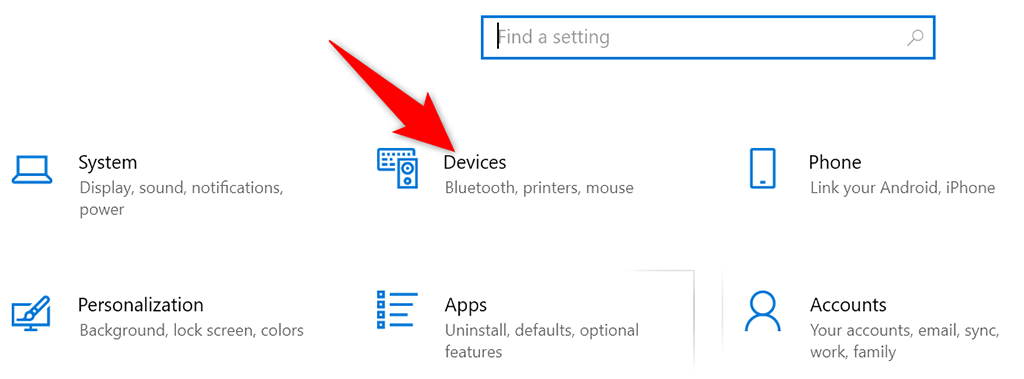
- Select Devices on the Settings window.
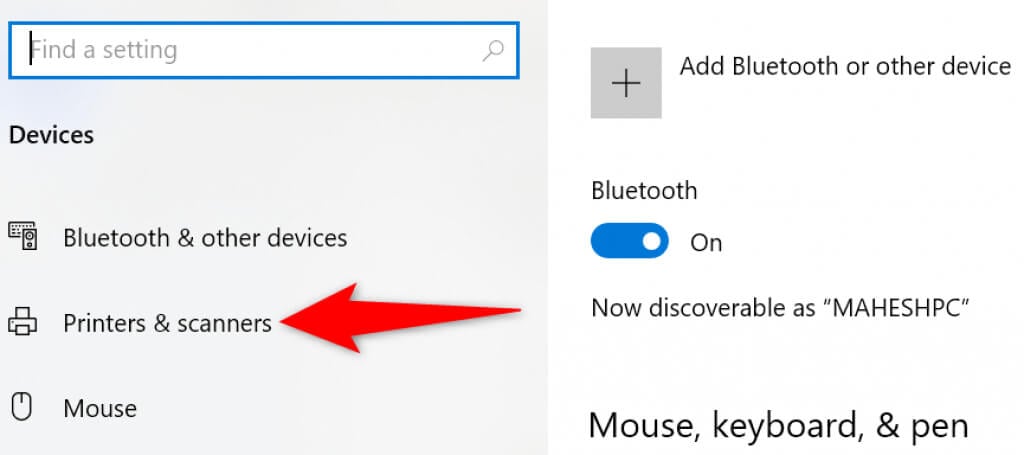
- Choose Printers & scanners from the left sidebar.
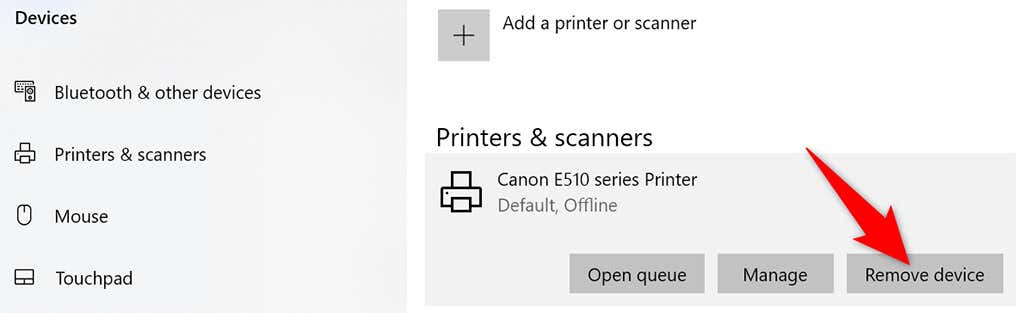
- Find and select your printer in the pane on the right.
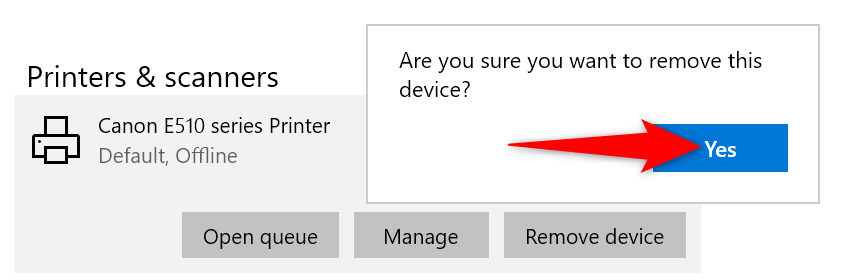
- Select Remove device under your printer to remove the printer.
- Choose Yes in the prompt that opens to begin uninstalling the selected printer.
On Windows 11:
- Access the Settings app by pressing Windows + I keys at the same time.
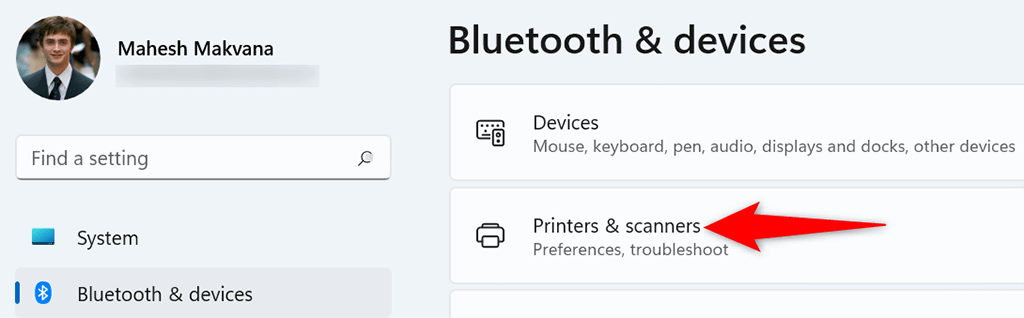
- Select Bluetooth & devices from the left sidebar in Settings .
- Choose Printers & scanners in the pane on the right.
- Select your printer in the device list.
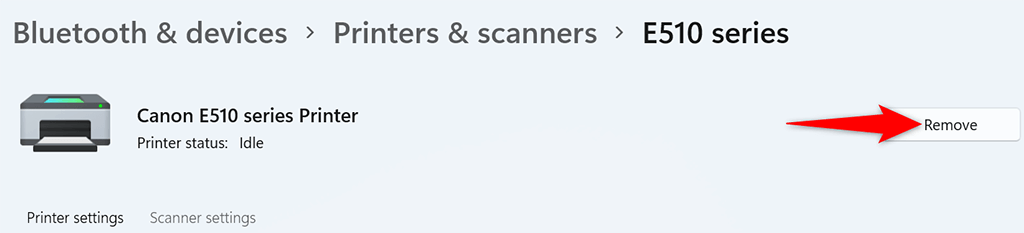
- Select Remove at the top-right corner of your printer’s page.
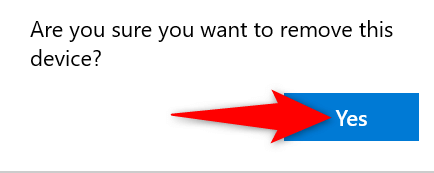
- Choose Yes in the prompt that opens to remove your printer.
Use the Print Server Properties Window to Remove a Printer
If Settings doesn’t remove your printer, another way to get rid of your installed printers is to use the Print Server Properties window. This window lists all your printers, and you can pick the one you want to delete from your system.
On Windows 10 and 11:
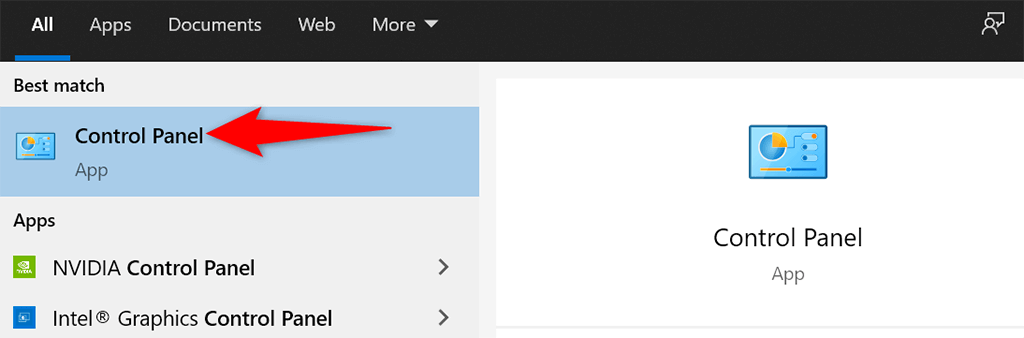
- Open the Start menu, search for Control Panel , and select Control Panel in the search results.
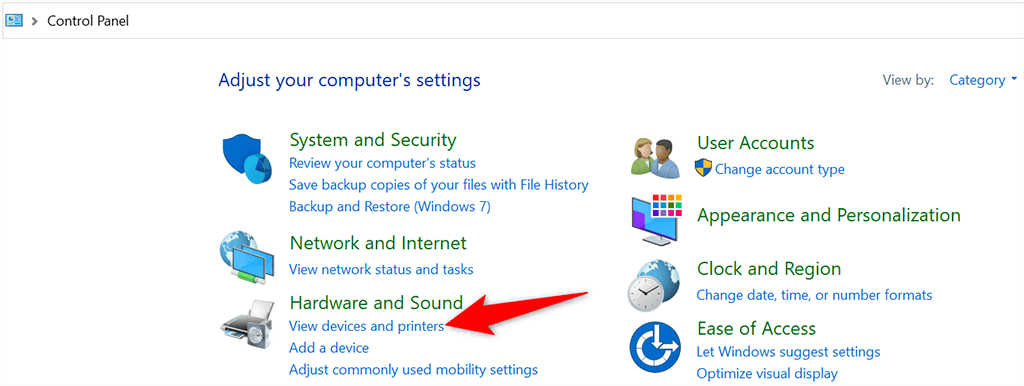
- Choose View devices and printers on the Control Panel window.
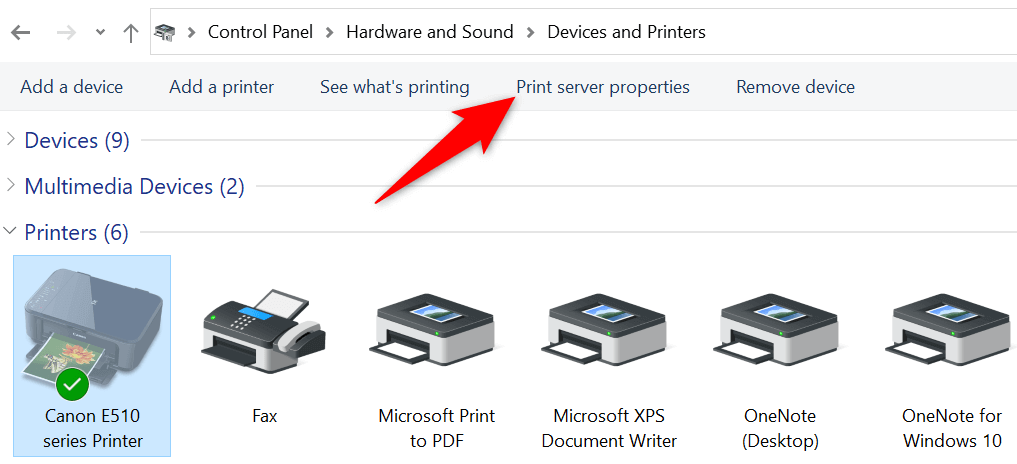
- Find and select your printer.
- Choose Print server properties at the top of your screen.
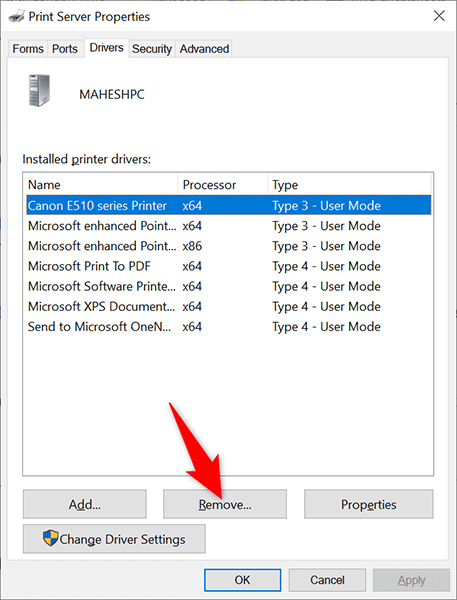
- Access the Drivers tab, select your printer in the list, and choose Remove at the bottom.
- Select Remove driver and driver package and choose OK in the prompt that opens.
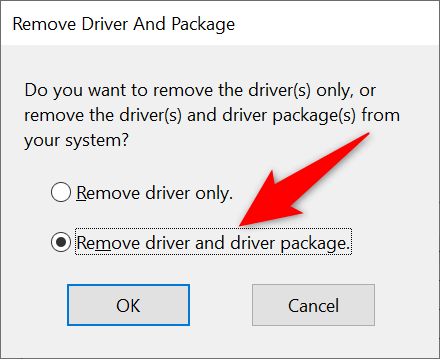
- Restart your PC and your printer should be removed.
Uninstall Printer Software to Remove the Printer
It’s possible the printer software you’ve installed on your PC is causing interference with your printer removal process. In this case, first get rid of the printer software and then try to remove the printer itself.
- Launch the Settings app by pressing Windows + I .
- Select Apps on the Settings window.
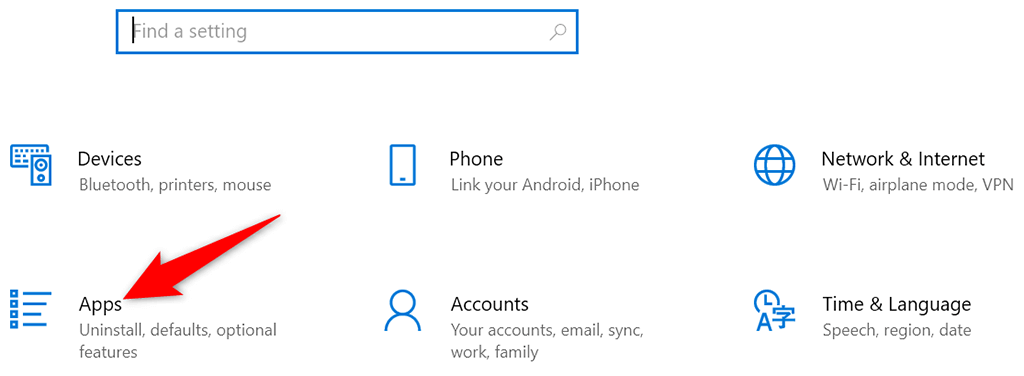
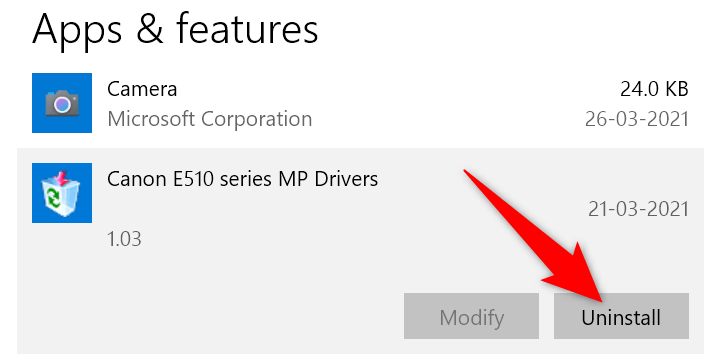
- Find your printer’s software in the list and select it.
- Choose the Uninstall button for your software.
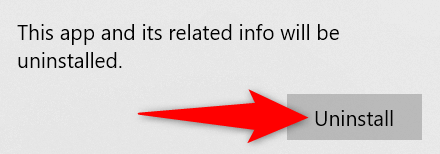
- Select Uninstall in the prompt to remove the software.
- Use the Settings app as described above to remove your printer from your PC.
Stop Print Spooler and Then Remove the Printer
To ensure print spooler service isn’t interfering with your printer removal process, stop that service and see if you can successfully remove the printer.
Once you’ve removed the printer, you can then restart the print spooler service.
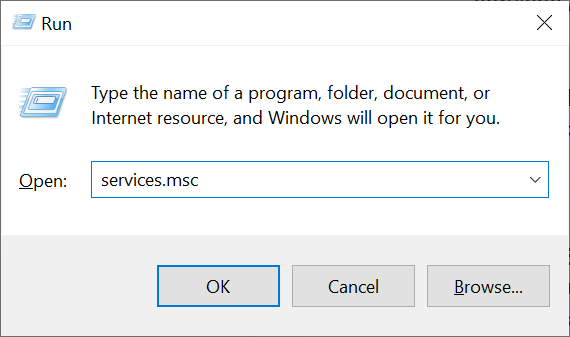
- Press Windows + R keys at the same time to open the Run box.
- Type the following in the Run box and press Enter : services.msc
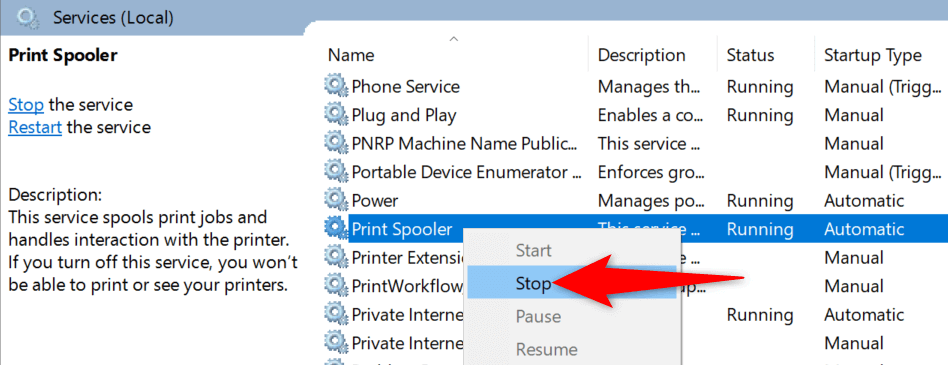
- Find the Print Spooler service on the Services window.
- Right-click the Print Spooler service and choose Stop from the menu.
- Keep the Services window open.
- Use the Settings app to remove the printer from your PC.
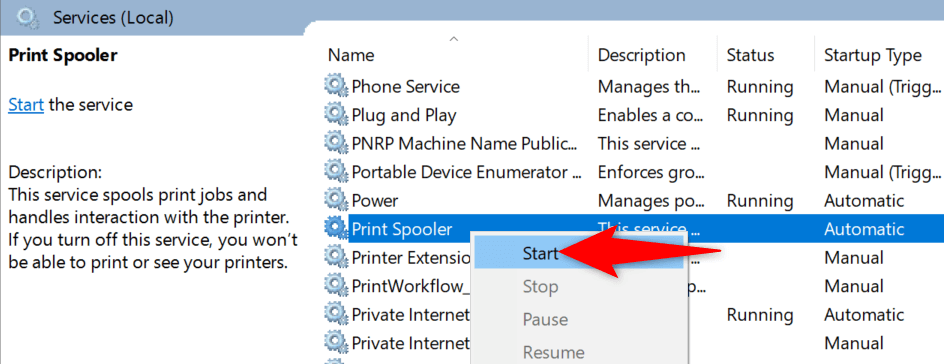
- When your printer is removed, come back to the Services window. Then, right-click the Print Spooler service and choose Start from the menu.
Clear the Print Jobs and Then Remove the Printer
A possible reason you can’t remove the printer from your Windows 10 or 11 PC is that your printer still has pending print jobs. You should clear these print tasks before uninstalling the printer.
To do so:
- Open Control Panel and select View devices and printers .
- Right-click your printer and choose See what’s printing from the menu.
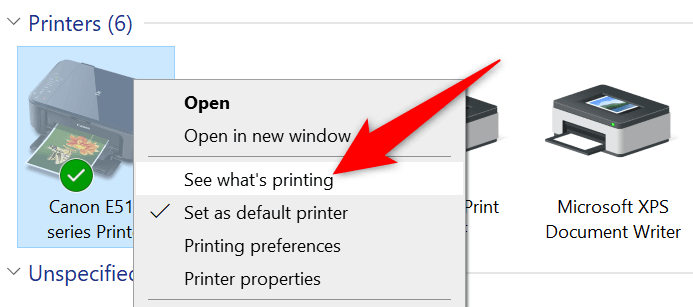
- Cancel all print jobs in the window that opens.

- Remove your printer using the Settings app as outlined above.
Use Device Manager to Delete a Printer
You can remove pretty much any device from your computer, including printers, using Device Manager. Here’s how to use this utility to remove your stubborn printer:
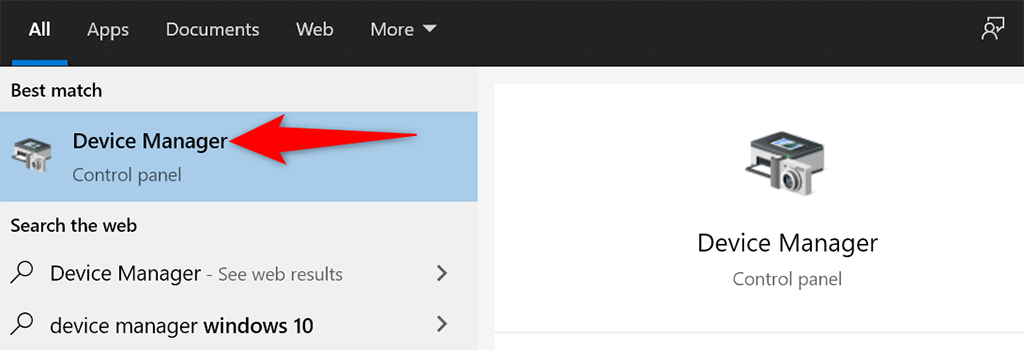
- Open the Start menu, search for Device Manager , and select that tool in the search results.
- Select View > Show hidden devices on the Device Manager window. This ensures your printer appears on the list.

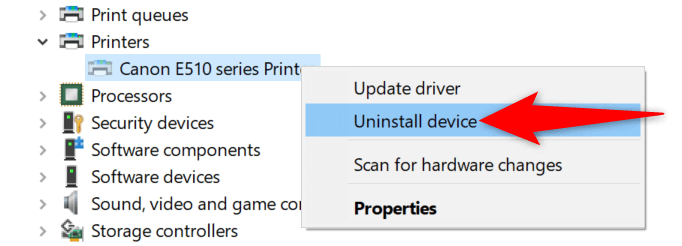
- Find your printer in the Printers section, right-click the printer, and choose Uninstall device .
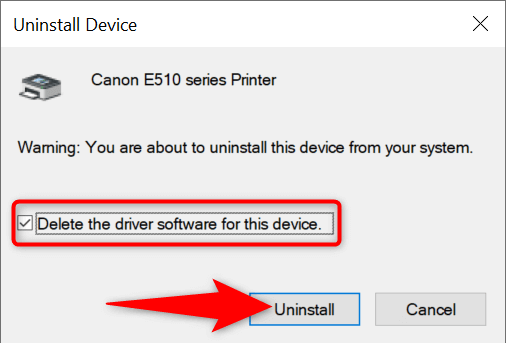
- Enable the Delete the driver software for this device option and select Uninstall .
- Reboot your PC and your printer will be removed.
Update the Printer Drivers and Then Uninstall the Printer
If you’re using outdated or faulty printer drivers, that may be why you can’t remove your printer from your PC. To deal with this, first update your printer’s drivers and then try to remove the printer.
Luckily, you can update your printer’s drivers automatically on both Windows 10 and 11 PCs:
- Open Device Manager and find your printer in the Printers section.
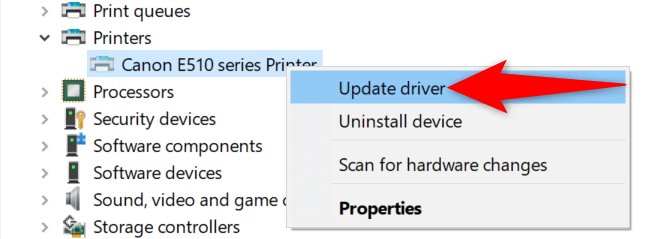
- Right-click your printer and choose Update driver from the menu.
- Select Search automatically for drivers on the screen that follows.
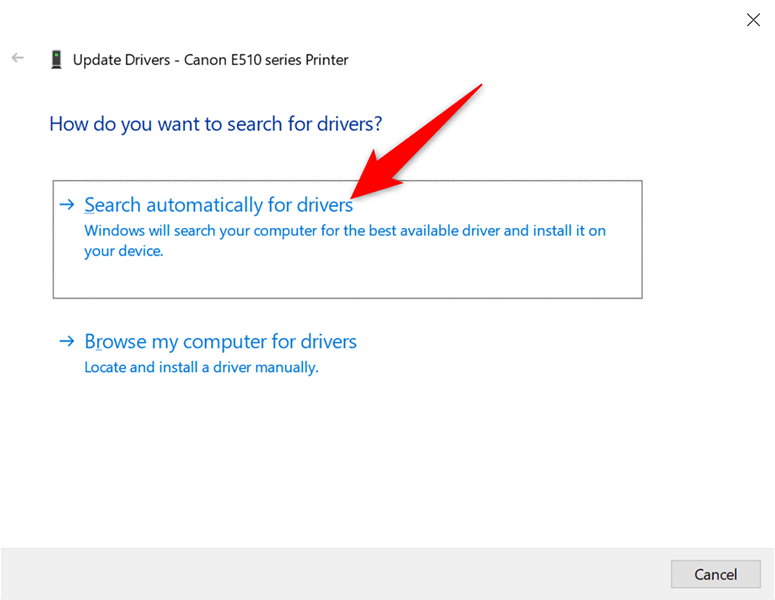
- Allow Windows to find and install the latest drivers for your printer.
- Restart your PC when the drivers are installed.
- Use the Settings app to remove the printer from your PC.
Fix It When You Can’t Remove a Printer on Windows 10/11
There are many reasons your PC doesn’t let you remove your printer. Once you fix those underlying issues , you should have no difficulties getting rid of your printers from your computer. We hope this guide helps you out.
- Preparing for Windows 10 End of Support: Upgrading to Windows 11
- How to Fix a “This file does not have an app associated with it” Error on Windows
- How to Fix an Update Error 0x800705b4 on Windows
- How to Resolve “A JavaScript error occured in the main process” Error on Windows
- How to Fix the Network Discovery Is Turned Off Error on Windows
Mahesh has been obsessed with technology since he got his first gadget a decade or so ago. Over the last few years, he’s written a number of tech articles on various online publications including but not limited to MakeTechEasier and Android AppStorm. Read Mahesh’s Full Bio
Printers experience several forms of malfunctions, some of which are easy to fix. Fixing printer issues can be a headache—especially on Windows devices—because there’s a wide range of things that could be wrong.
The problem could stem from your PC, the printer, or the connection between both devices. This tutorial highlights ten likely troubleshooting measures for printers that won’t print.
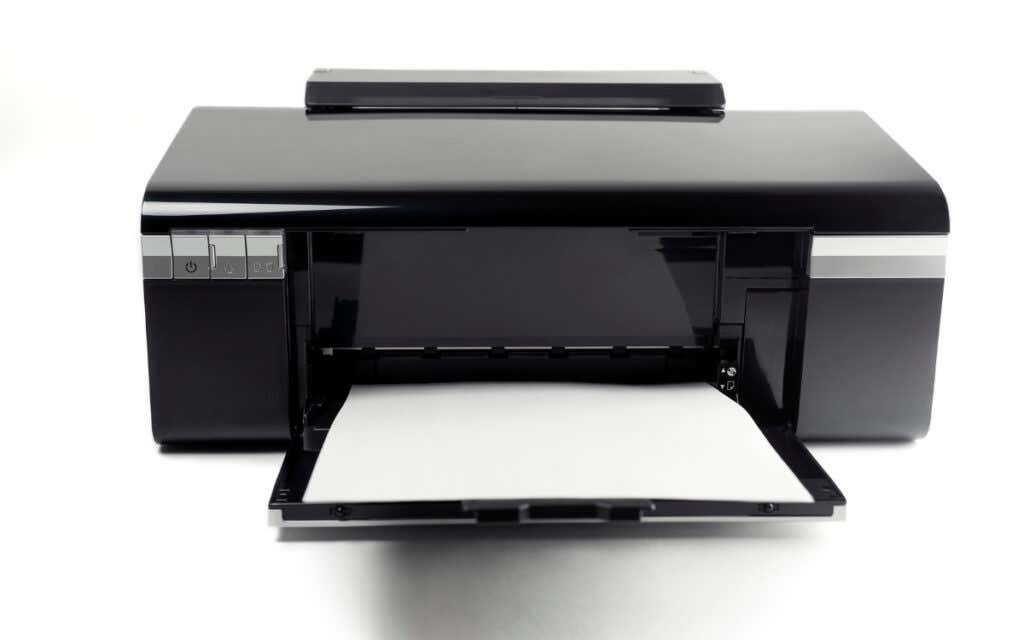
1. Check Paper Tray and Printer Connection
Many printer models won’t print if there’s a loose USB connection or if they’re out of ink or paper. Verify your printer’s ink levels, clean the printhead, fill the paper tray, and avoid using substandard paper. Low-quality paper can cause “Ghost Paper Jams” and other issues that stop your printer from printing documents.
For printers using a wired connection, ensure both cable ends are plugged firmly into your printer and computer. Go through the printer’s manual for instructions on connecting the device to your Windows or Mac computer.
Wireless printers won’t print documents if connected to the wrong Wi-Fi network. Make sure your printer and computer are on the same wireless network. Likewise, check your router settings, disable VPN connections, and make the printer’s IP address static. Refer to our tutorial on troubleshooting Wi-Fi (wireless) printers for more fixes.
2. Run the Printer Troubleshooter
Windows has a suite of troubleshooting tools that diagnoses and resolves hardware and software problems. We recommend running the Printer Troubleshooter before trying other more complex measures.
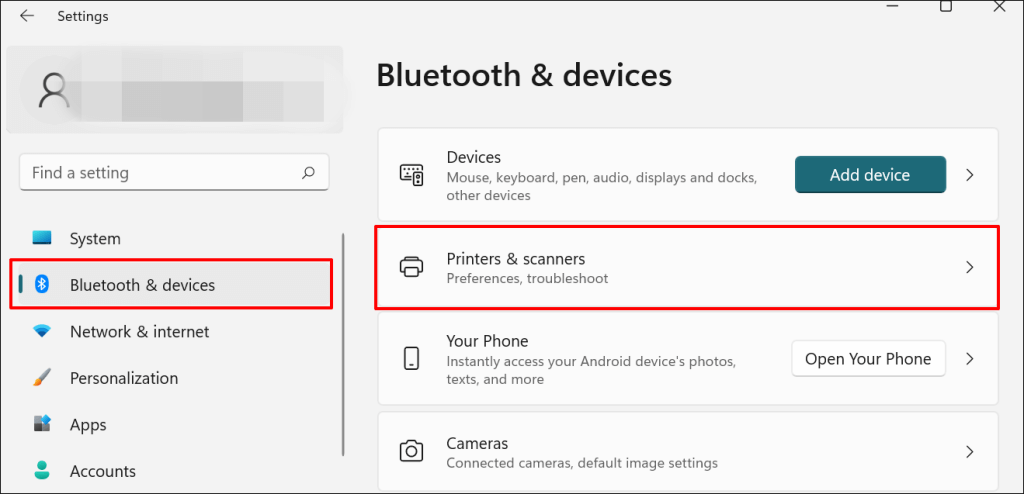
- Go to Settings > Bluetooth & devices > and select Printers & scanners .
In Windows 10, go to Settings > Devices > Printers & scanners .
- Select the problem printer from the list of connected devices.
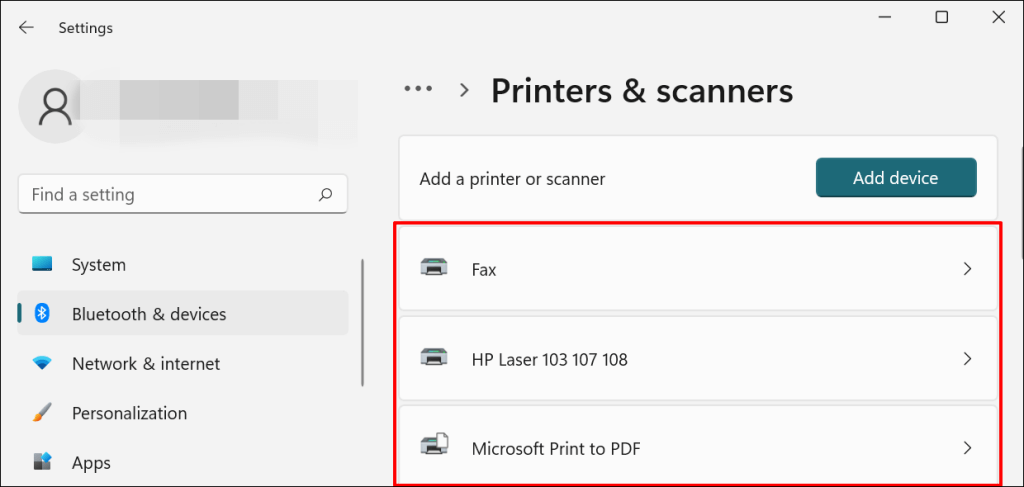
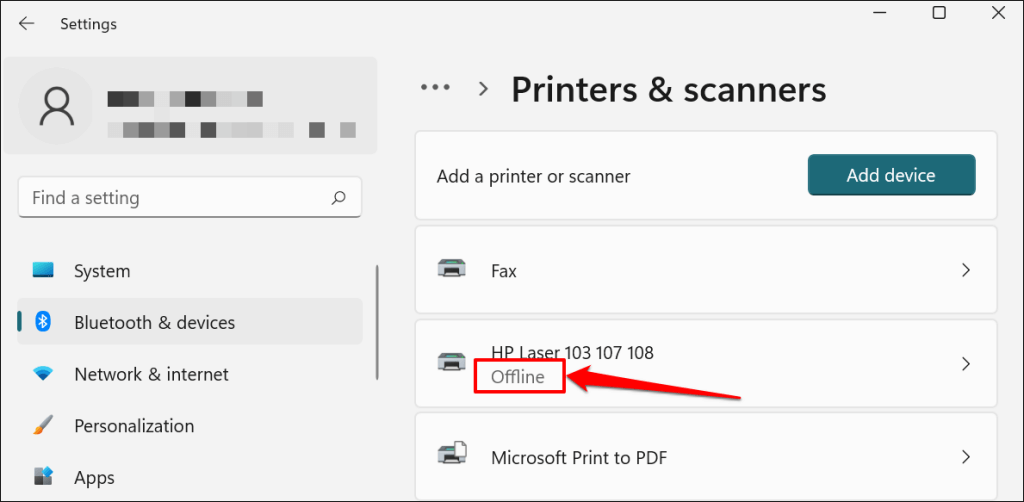
Note: If your printer status reads “Offline,” refer to our troubleshooting tutorial on getting an offline printer back online . Proceed to the next step if your printer is online.
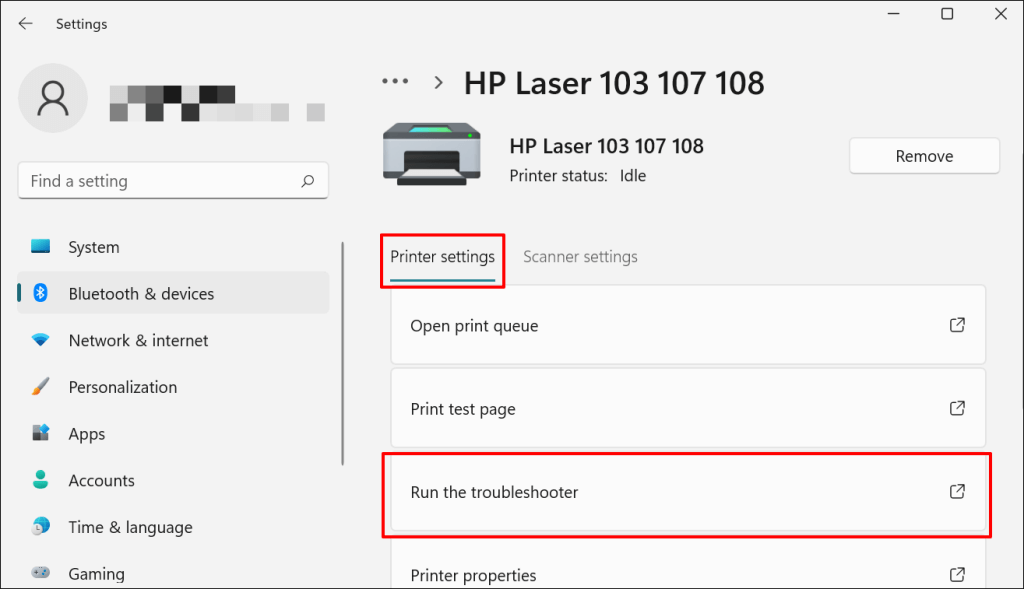
- Select Run the troubleshooter in the “Printer settings” tab.
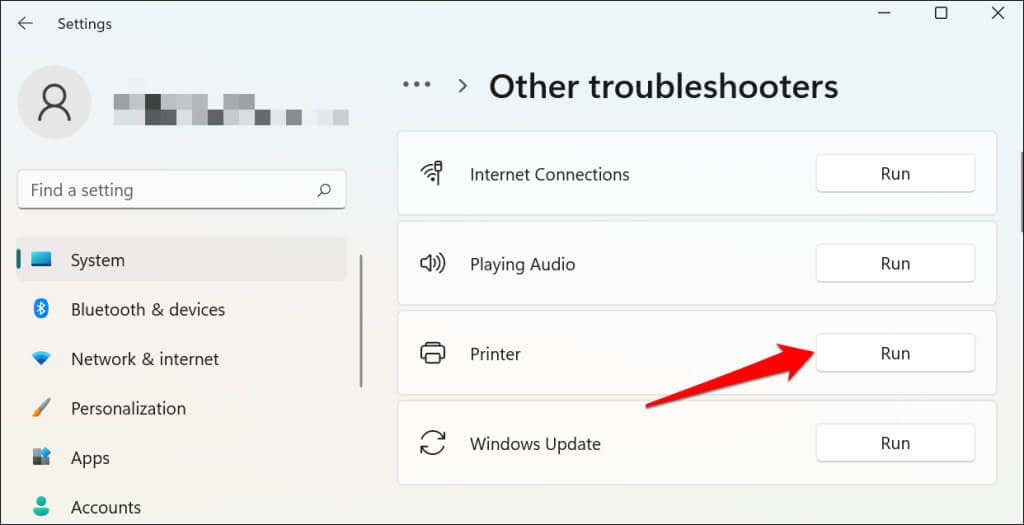
There’s another way to access the printer troubleshooter in Windows 11. Go to Settings > System > Troubleshoot > Other troubleshooters and select Run next to “Printer.”
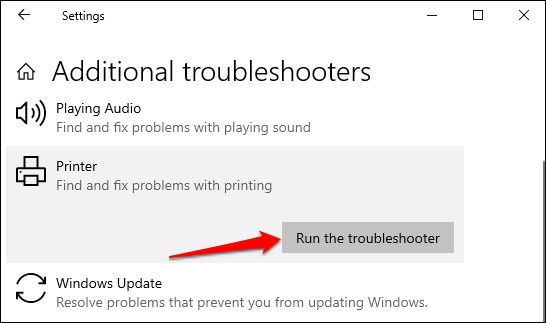
In Windows 10, go to Settings > Update & Security > Troubleshoot and select Additional troubleshooters > Printer > and select Run the troubleshooter .
Wait for the troubleshooter to run the necessary check on the printer, its drivers, and other associated processes.
3. Set the Printer As Default
Windows has a feature that dynamically changes your PC’s default printing device based on your location and other factors. The feature is near-perfect but not failproof. If your PC doesn’t print documents, it might be that an inactive printer is the default printing device.
macOS also sets the last printer connected as your Mac’s default printer. Check your computer settings and ensure the active printer is the default device.
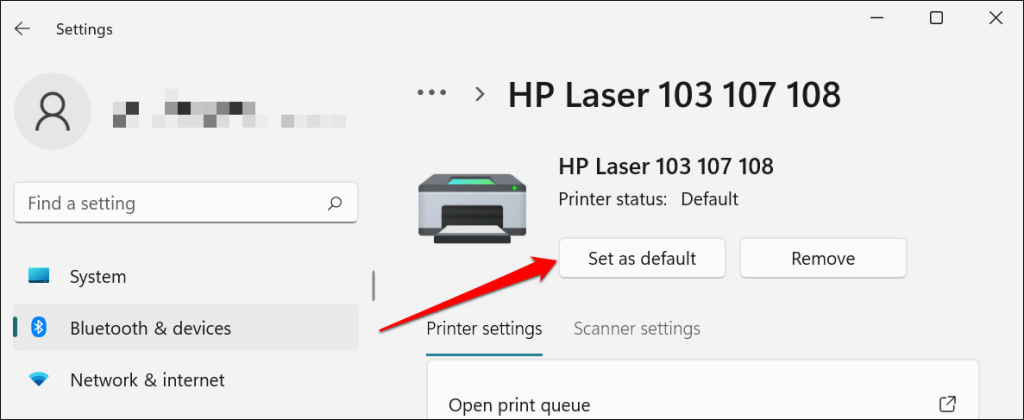
In Windows, go to Settings > Bluetooth & devices > Printers & scanners , select the printer, and select the Set as default button.
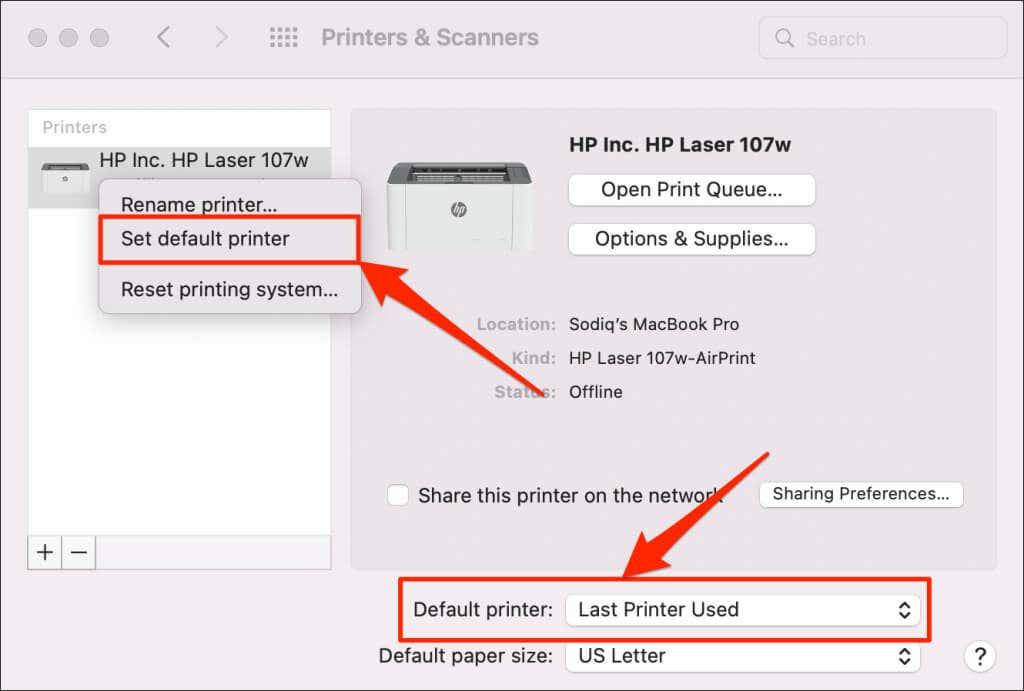
On Mac computers, go to System Preferences > Printers & Scanners on Mac computers , right-click the printer, and select Set default printer . Alternatively, open the Default printer drop-down menu and select the printer as the default.
4. Clear Your Computer’s Print Queue
When you send a document for printing, your computer first sends the “print job” to the print queue. The print job is immediately removed from the print queue when the printer prints the document. It’s usually a seamless process, but there are times when completed print jobs remain in the queue.
If that happens, subsequent print jobs will also get stuck in the queue and prevent your printer from printing files. Clearing your computer’s print queue might resolve the problem.
Clear Print Queue in Windows
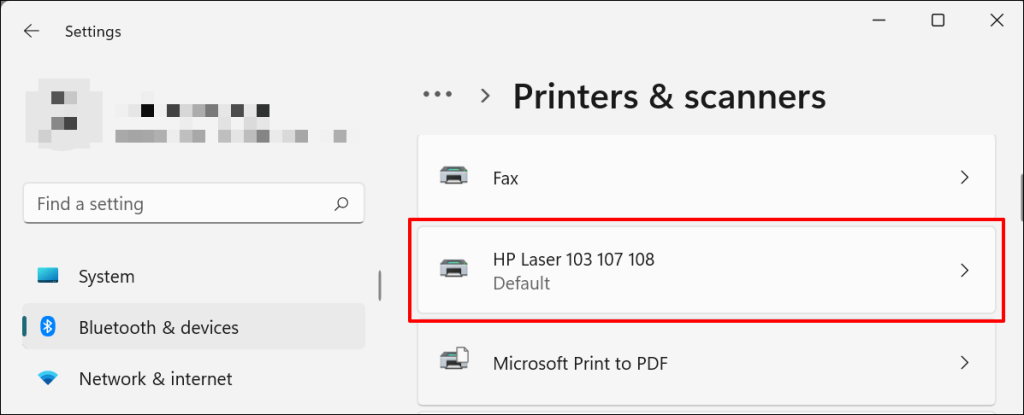
- Go to Settings > Bluetooth & scanners > Printers & scanners and select your printer.
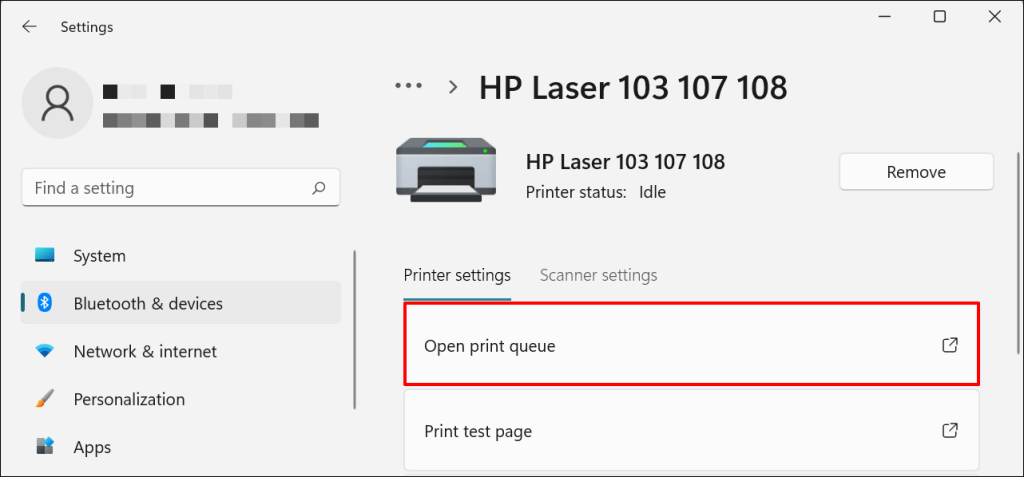
- Select Open print queue .
- Select Printer on the menu bar and select Cancel All Documents .
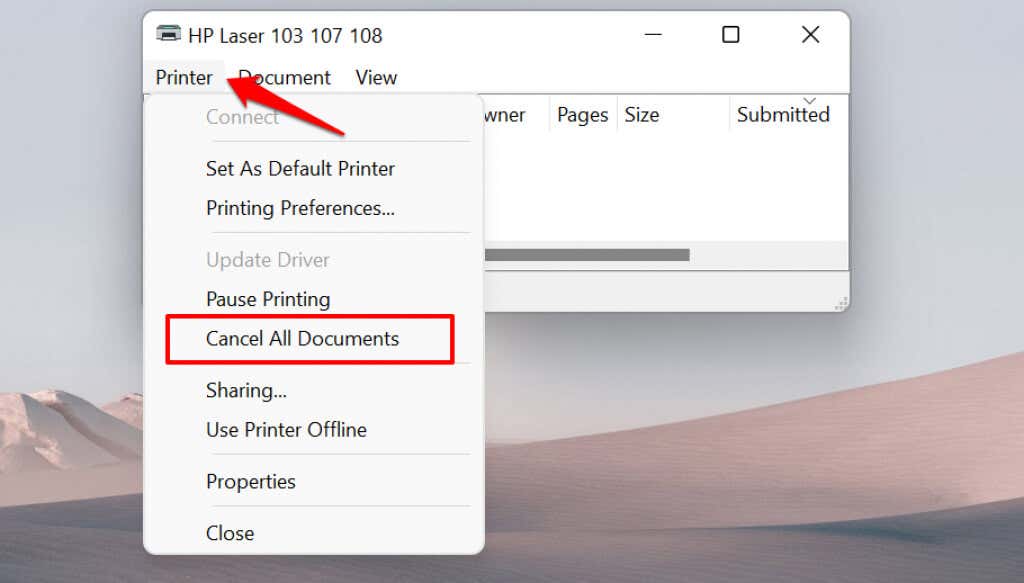
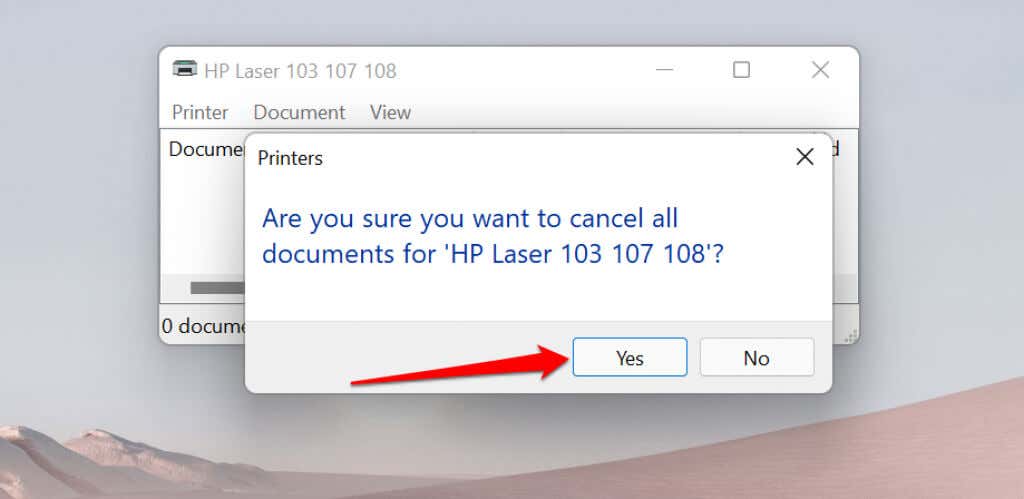
- Select Yes on the confirmation prompt.
[14-why-windows-pc-wont-print-documents]
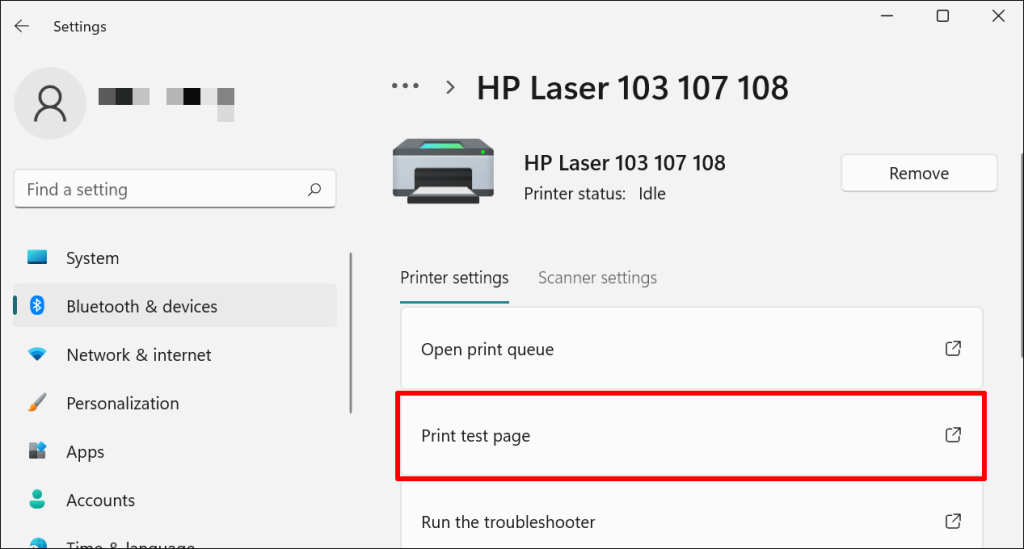
Try printing any document or a test page and check if clearing the queue fixed the problem. Open the printer menu and select Print test page .
If completed documents remain in the print queue, refer to our troubleshooting tutorial on deleting stuck print jobs in Windows .
Clear Print Queue in macOS
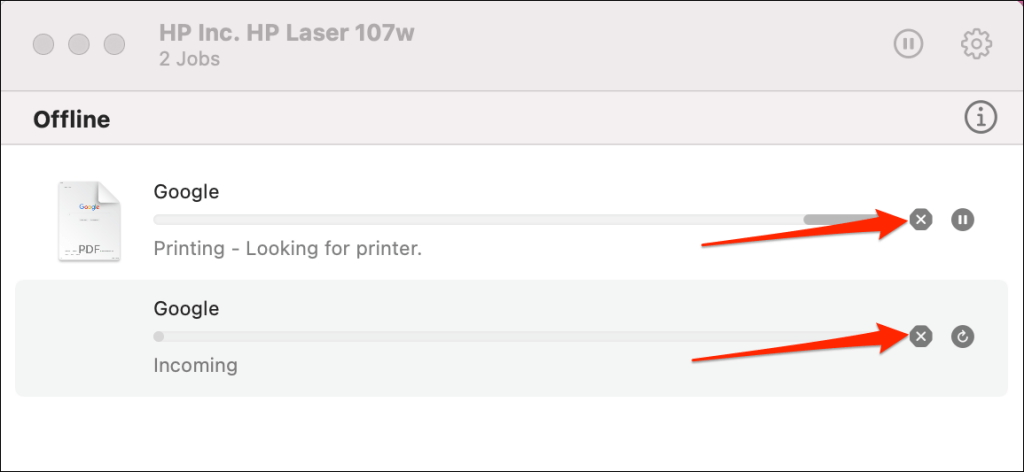
- Go to System Preferences > Printers & scanners , select the printer on the sidebar, and select Open Print Queue .
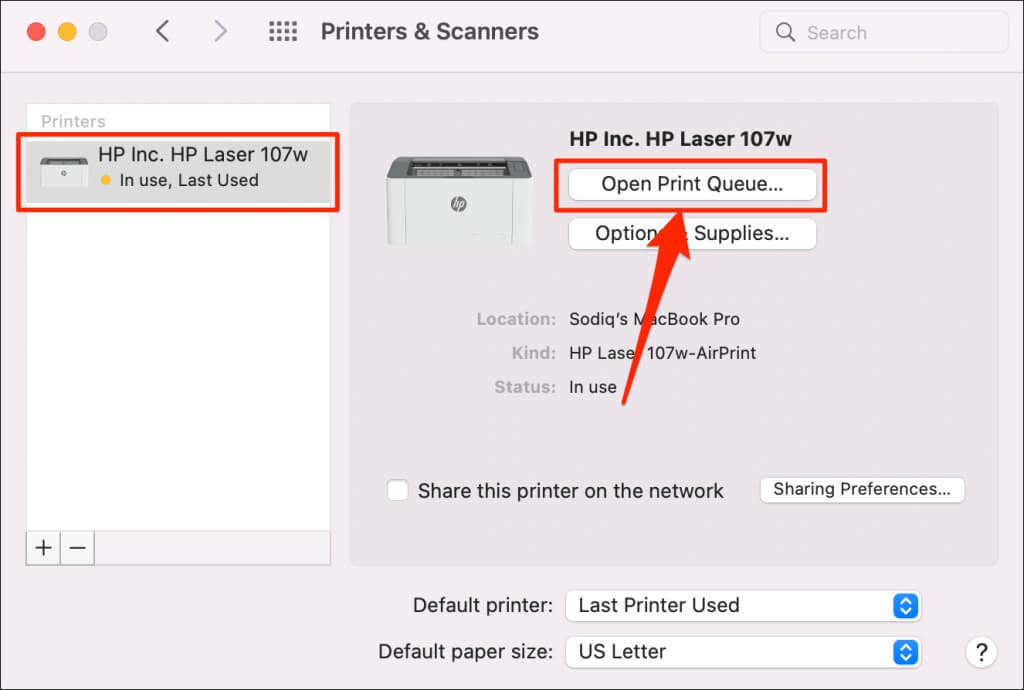
- Select the x icon next to the pending print jobs to remove them from the queue.
5. Update Printer Driver
Your printer might not receive print jobs from your PC if its driver is corrupt or outdated. Although Windows automatically installs driver updates, some factors (e.g., a metered internet connection) may prevent that from happening. Here’s how to manually install a driver from your computer or the internet.
Check the printer’s manufacturer website and download the latest driver updates for your printer model. Plug the printer into your computer and follow the steps below.
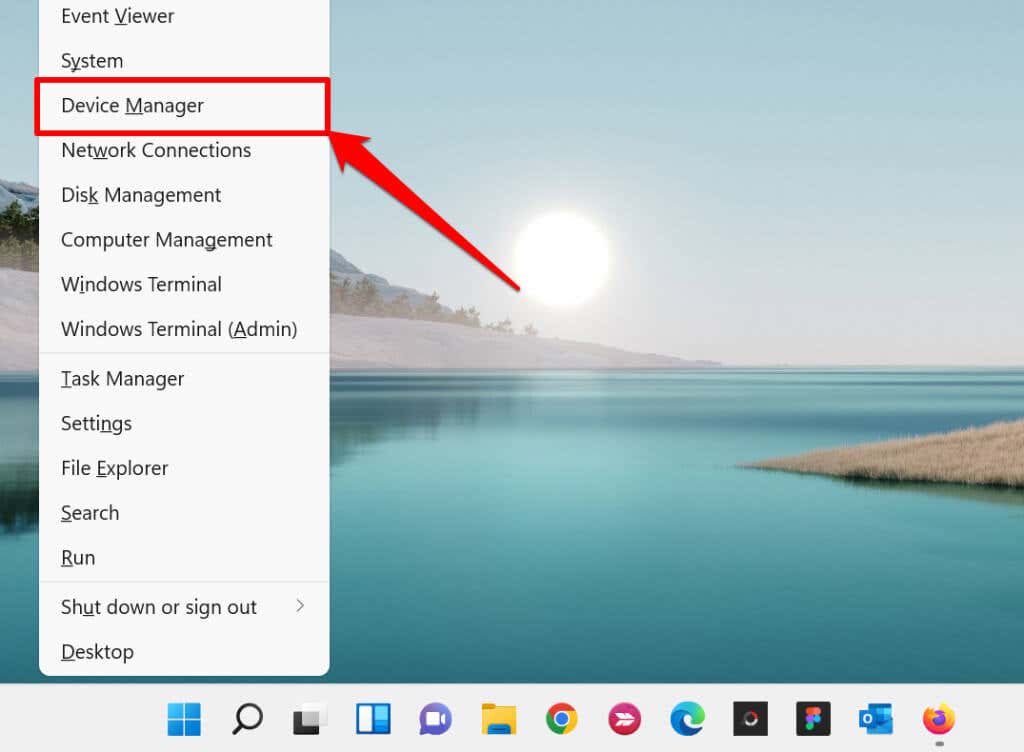
- Right-click the Start Menu or press the Windows key + X to open the Quick Access Menu. Select Device Manager to proceed.
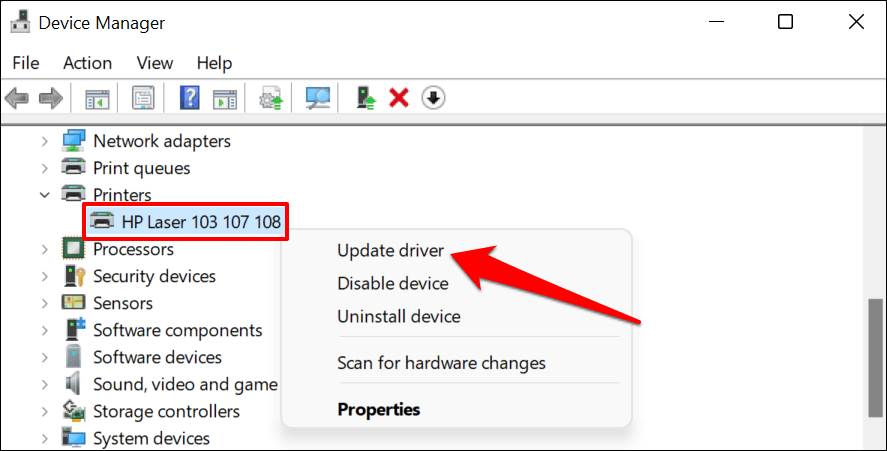
- Expand the “Printers” category, right-click the printer’s driver, and select Update driver .
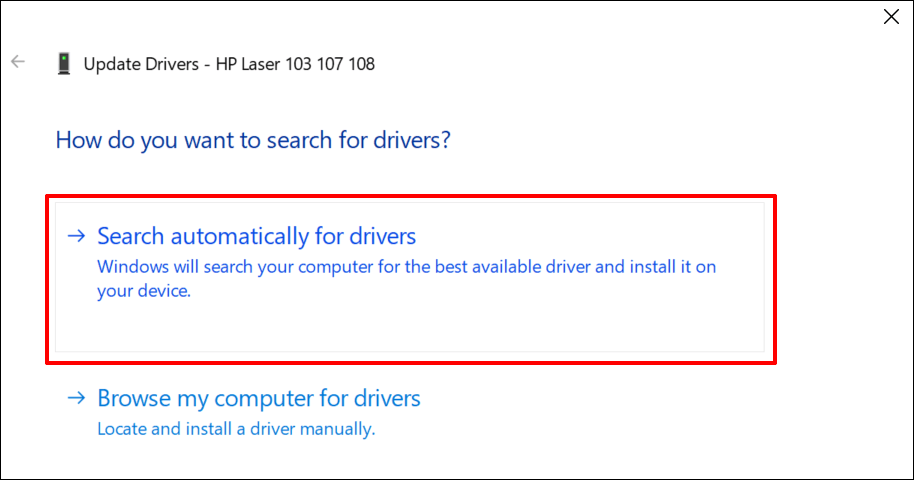
- Select Search automatically for drivers and wait for Windows to search for the best driver available for the printer. The process requires an internet connection, so ensure your PC is connected to a Wi-Fi or Ethernet network.
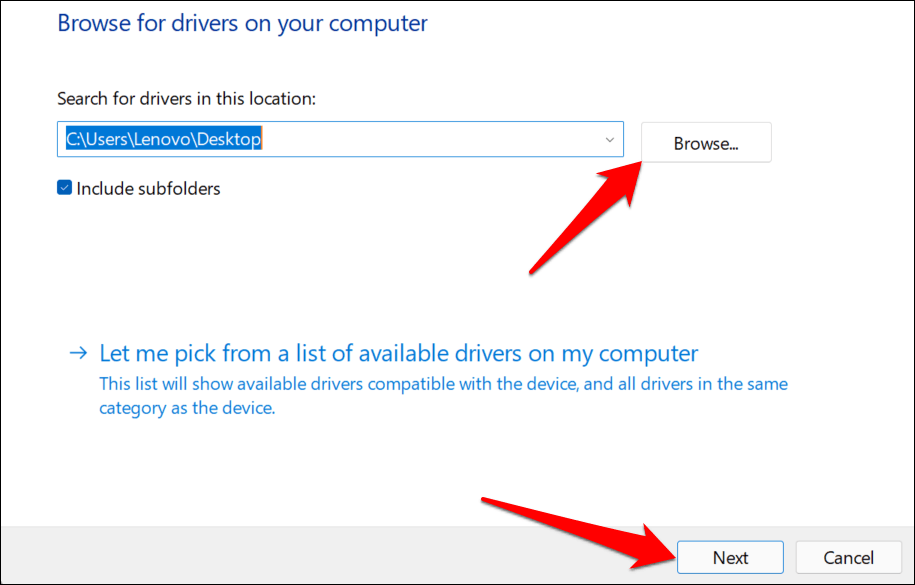
Alternatively, select Browser my computer for drivers to manually install a driver you downloaded from the printer manufacturer’s website. Afterward, choose Browse , navigate to the driver’s location on your PC, and select Next to install the update.
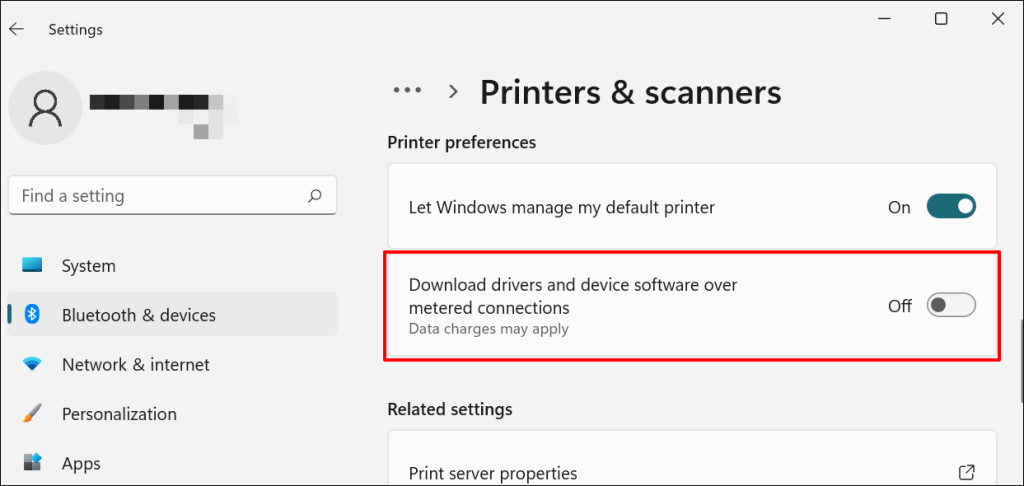
We recommend configuring Windows to automatically download drivers for your printer, especially if you’re using a metered connection.
Go to Settings > Bluetooth & devices > Printers & scanners and toggle on Download drivers and device software over metered connections .
If the Device Manager says the printer’s driver is up-to-date, check the manufacturer’s website for confirmation. You’ll find driver update history in the “Download,” “Software,” or “Drivers” section of the printer manufacturer’s website. Contact the manufacturer if you don’t know how to find, install, or update your printer’s driver update.
6. Reboot Your Devices
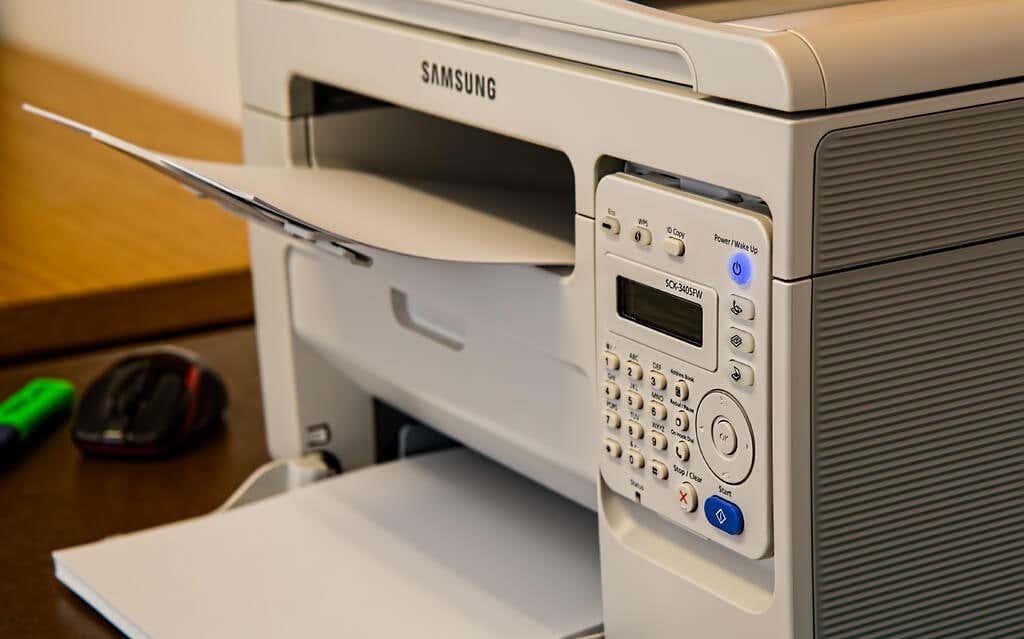
Power-cycling your printer and computer can help both devices re-establish a connection. Unplug your printer’s power cord and shut down your computer. Remember to close any open apps or documents so you don’t lose unsaved changes.
Restart both devices, connect your printer to your PC, and check if you can now print documents.
7. Reinstall Printer Driver
Reinstalling a faulty or corrupt driver can resolve issues causing your printer to malfunction. The operation entails deleting or uninstalling the printer driver , restarting your computer, and installing it from scratch. Note that this operation may affect any customizations made on the printer’s settings and preferences on your computer.
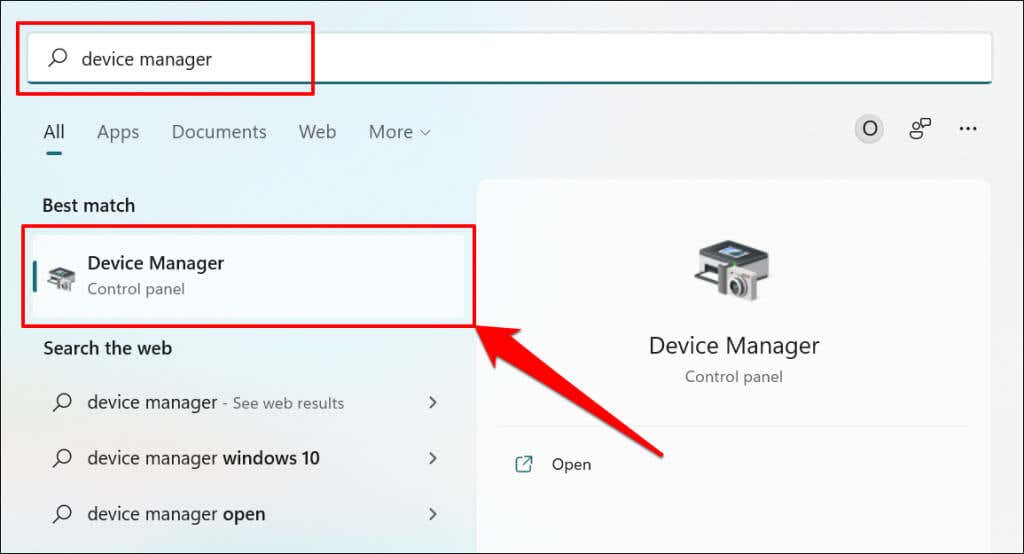
- Type device manager into Windows Search and select Device Manager .
- Expand the “Printer” section, right-click the printer’s driver, select Uninstall device , and select Uninstall on the pop-up.
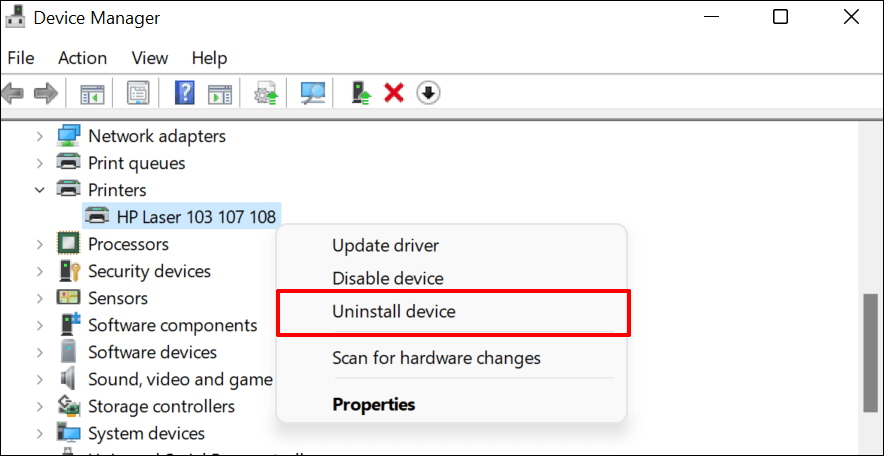
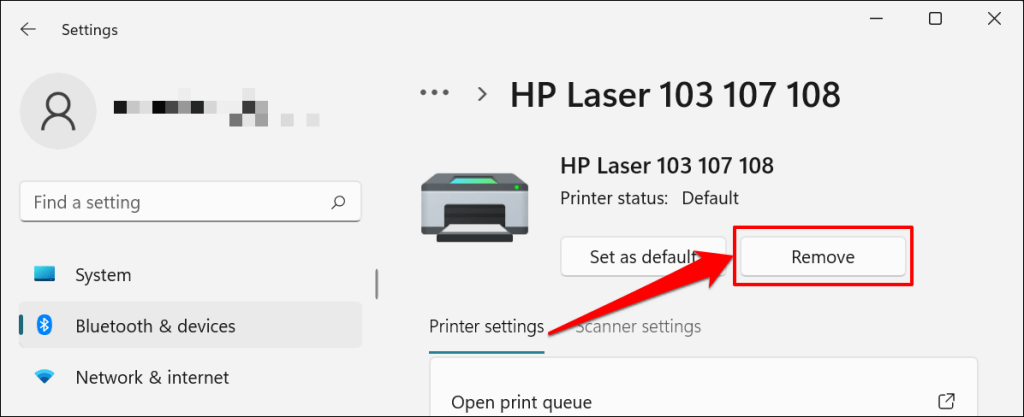
You should also remove the printer from your PC’s memory.
- Go to Settings > Bluetooth & devices > Printers and scanners , select the printer, and select the Remove button.
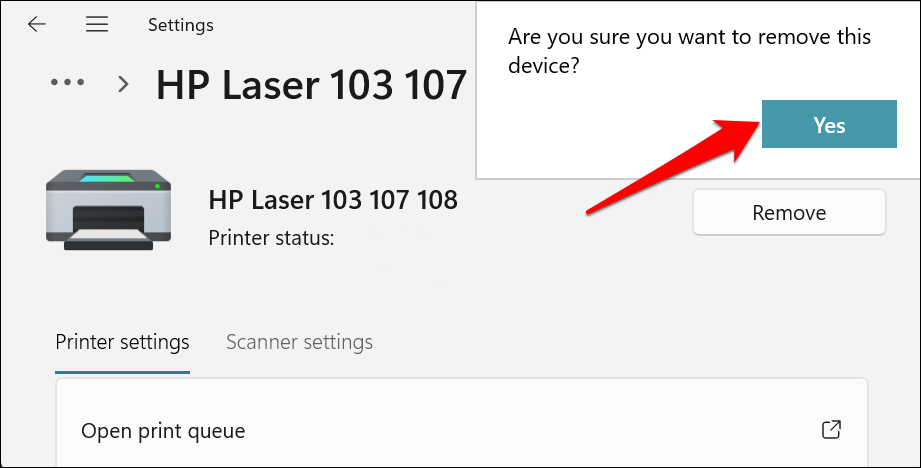
- Select Yes on the confirmation prompt.
Restart Windows and reconnect the printer to your computer. Windows should automatically install the printer’s driver when it connects to your PC.
8. Restart the Printer Spooler
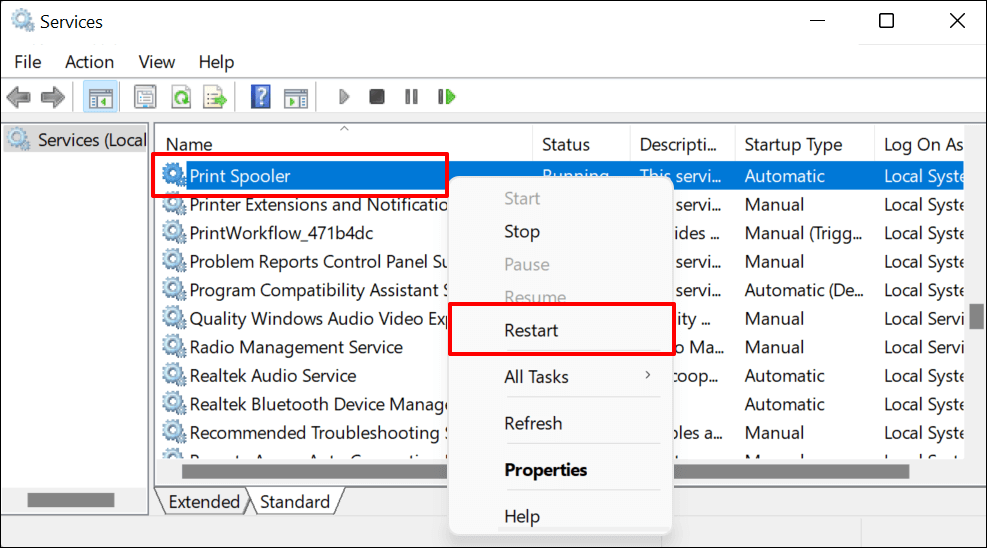
Printer Spooler is the system service that manages printers and print jobs on Windows devices. Temporary system glitches can affect the Printer Spooler’s performance and trigger printing-related problems. Restarting the print spooler service can restore the service to normalcy.
- Open the Windows Run box (press Windows key + R ), type services.msc in the dialog box, and press Enter .
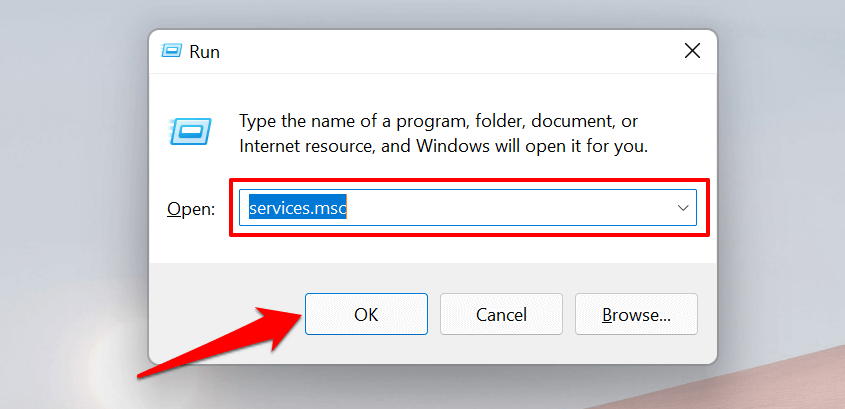
- Right-click Printer Spooler and select Restart .
9. Update Your Computer
Asides from fixing software bugs, Windows Updates also updates outdated or buggy drivers. Head to the Windows Updates menu and install the latest Windows build or security patches available for your computer.
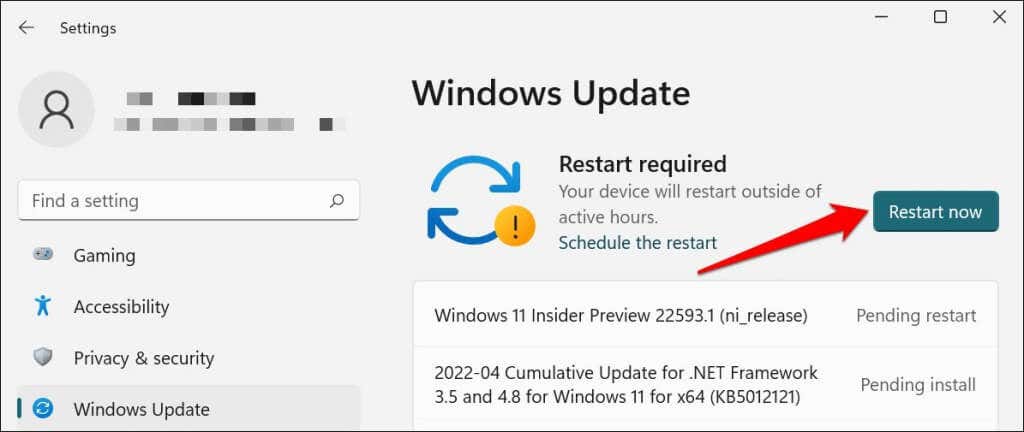
In Windows 11, go to Settings > Windows Update and wait for Windows to check for updates. You may need to restart your computer if Windows has already downloaded the update. Select Restart now to update and reboot your computer.
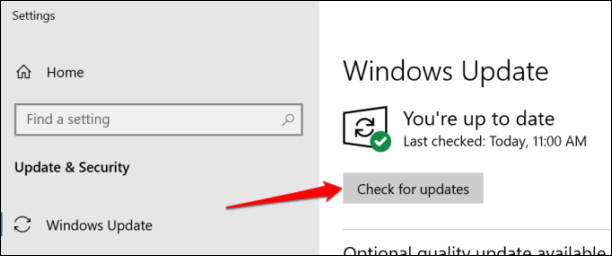
In Windows 10, head to Settings > Updates & Security > Windows Update and select Check for updates . Make sure your computer has an internet connection.
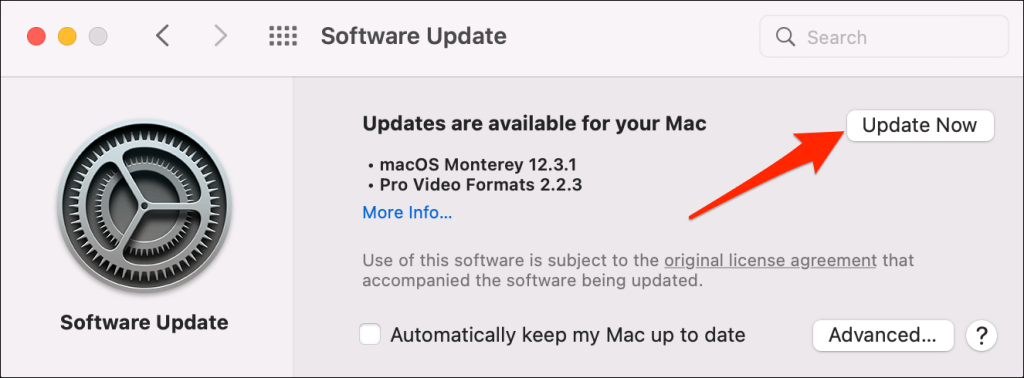
In macOS, go to System Preferences > Software Updates and select Update Now (or Upgrade Now ).
[32-update-mac-computer]
10. Run the Printer’s Utility Software
HP has a Print and Scan Doctor utility (HP Smart for Mac) that diagnoses problems with HP printers. The tool can detect empty ink cartridges, outdated driver software, blocked nozzles, print feed errors, and other printer problems.
Samsung Printer Experience is the utility that manages Samsung printers. The app has loads of troubleshooting guides for printing problems on Samsung printers. The Canon Inkjet Print Utility is also available for Canon inkjet printers.
Download and install your printer’s utility software on your computer and run the tool according to the manufacturer’s instructions.
Pay Attention to Physical Indicators
Printers have status lights or LCD screens that display error codes. These lights point out the root cause of some printing issues. Check the printer’s instruction manual to learn what the indicator lights and error codes mean and their respective solutions. Contact the printer manufacturer if your printer still won’t print after running these troubleshooting measures.
- How to Fix the “Error – Printing” Status Error in Windows
- HP Printer Not Printing Black? 10 Fixes to Try
- How to Fix Missing or Failed Printhead Error on HP Printers
- How to Add a Printer to Your Chromebook
- How to Fix the Printer Error “0x0000011b” on Windows
Sodiq has written thousands of tutorials, guides, and explainers over the past 4 years to help people solve problems with Android, iOS, Mac, and Windows devices. He also enjoys reviewing consumer tech products (smartphones, smart home devices, accessories, etc.) and binge-watching comedy series in his spare time. Read Sodiq’s Full Bio
