Did you forget one of your WiFi passwords? Do you need access to it right away?
Using the command prompt (CMD), you can see a list of every wireless network your computer has ever connected to and their passwords.
This article details how you can find out the WiFi password or change WiFi settings using CMD.
WLAN Profile
There comes a time when users like yourself forget your own WiFi password. This happens more commonly than you think. With WiFi routers running nonstop and WiFi connections establishing themselves automatically, there’s very little reason why you’d recall a complicated WiFi password.
Some users wind up using secure passwords consisting of random characters which are very easy to forget. Others just keep using the random one given to them by their ISP.
Either way, there’s no need to panic yet. WLAN profiles are created whenever users enter WiFi credentials and establish a new connection. The profile of that WiFi includes essential information like the network name, settings, and password.
We’re going to tap into these network profiles through the command prompt. This method will work regardless if you’re currently connected to the WiFi network you’re trying to gain access to or not. However, your computer had to have connected to that WiFi network at some previous point at least once.
Using CMD to Find the WiFi Password
Here’s how to find the WiFi password using the command prompt:
Open the command prompt by opening Run (Windows + R) and typing CMD . Hit Enter .
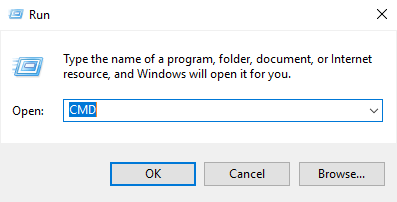
Note: Alternatively, you can use Search and type CMD . Right-click on Command Prompt and select Run As Administrator .
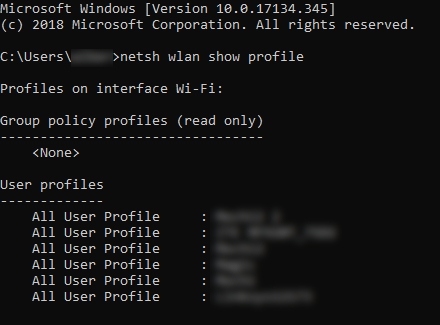
Type the following command line and hit Enter :
NETSH WLAN SHOW PROFILE
You will see a list of WLAN profiles stored on the PC. Take note of the network name you’d like to explore.
Type the following command and replace “WIFI” with the network name.
NETSH WLAN SHOW PROFILE WIFI KEY=CLEAR
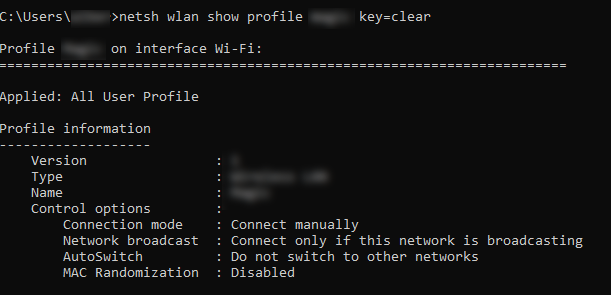
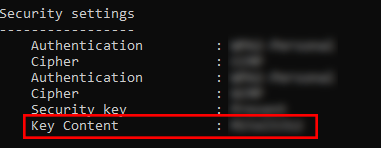
Completing these steps successfully will bring up the WLAN profile of the network you want to connect to. Scroll down and you’ll find the password under the Key Content field.
MAC Addresses
Every device that connects to a WiFi network has an identifying number commonly referred to as a MAC address. And while some network technologies are dependent on MAC to function, some use them to track people or restrict access.
This is a bigger issue for mobile users. For example, some use specialized equipment to log a phone’s MAC address as their victims jump from one network to another. This means your steps can be traced to see just where you’ve been.
This breach of privacy can be prevented by changing your MAC address.
Changing Your MAC Address
Take a closer look at your WLAN profile. If MAC randomization is turned, chances are your MAC address is vulnerable to tracking. Consider changing your MAC address as an added measure for protecting your privacy.
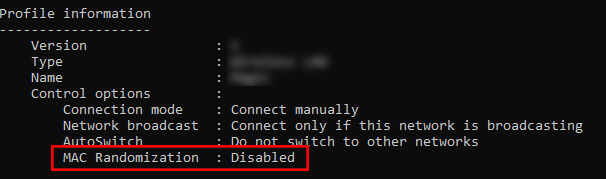
Here’s how you change your MAC address on Windows:
Go to Control Panel > Network and Sharing Center > Change Adapter Settings .
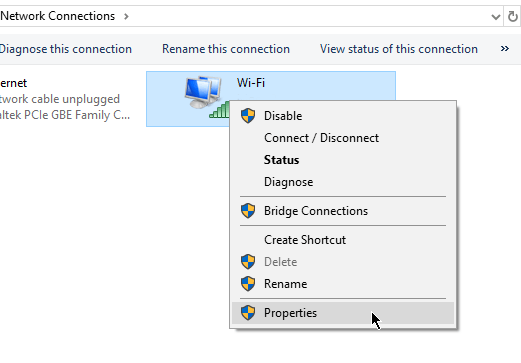
Right-click on the network you’d like to configure and select Properties . A new window will pop up.
On the new window, click Configure .
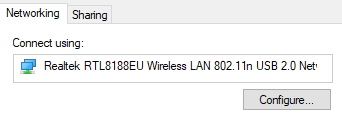
Go to Advanced tab. In the Property field, select Network Address or Locally Administered Address .
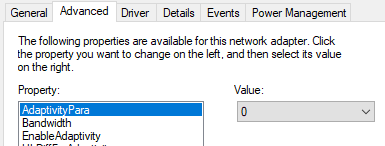
Note: If you can’t find the Network Address option, there are third-party programs you can use to replace the MAC address.
In the Value field, type in a new MAC address. Click OK once you’re finished to exit. Enjoy!
- How to Fix When No Wi-Fi Networks Found on Windows 11 and 10
- WiFi Network Not Showing Up or Can’t Find WiFi in Windows?
- How to Find the IP Address of Your WiFi Printer on Windows and Mac
- How to Fix a “Wi-Fi Doesn’t Have a Valid IP Configuration” Error
- How To Change Your Wifi Password
Christopher Jan Benitez is a freelance writer for hire who provides actionable and useful web content to small businesses and startups. In his spare time, he religiously watches professional wrestling and finds solace in listening to ’80s speed metal. Read Christopher’s Full Bio
Every WiFi printer will have an IP address assigned to it that will allow the printer to connect to your home or office network successfully. If you’re having issues printing to your WiFi printer, knowing the IP address can be helpful when you start troubleshooting . It’s also useful to know the IP address if you need to install the printer on a different computer.
There are a few ways you can go about finding the IP address of your WiFi printer on your computer. If the printer has a display, you can usually get the IP address by printing a configuration page via the printer’s control panel.
If your printer doesn’t have a display, you’ll need to connect it to your Windows PC or Mac to find the IP address. Below are the steps you’ll need to take to find your printer’s IP address on Windows and macOS.
How to Find a Printer IP Address on a Windows PC
On a Windows PC, you can find your IP address via the Windows Control Panel, Command Prompt or via Windows Settings.
Find a Printer IP Address on Windows Using the Control Panel
The Control Panel is a collection of tiny programs or applets that allow you to view and configure various Windows system settings. You can use the Control Panel to find your printer’s IP address in a few quick steps.
- Open Control Panel .

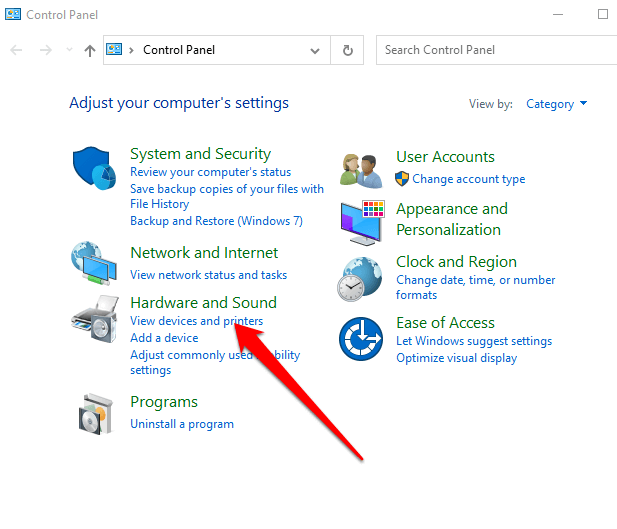
- Next, select Hardware and Sound > View Devices and Printers .
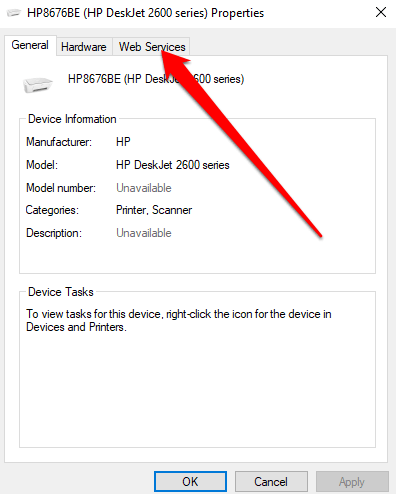
- Right-click your printer and select Properties .
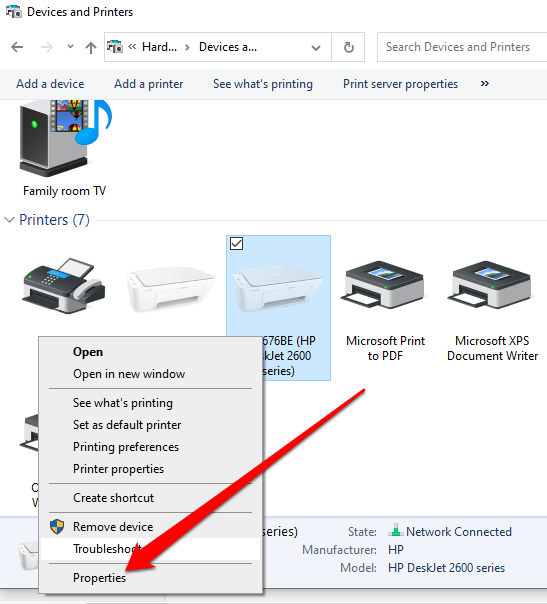
- Select Web Services .
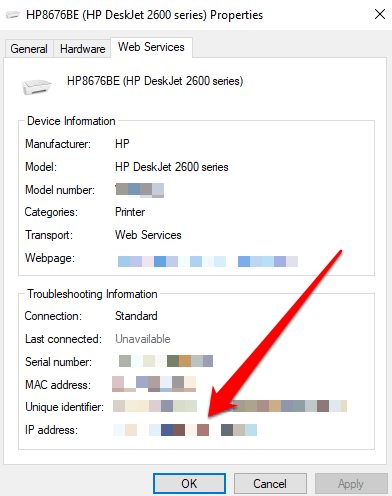
- Check for your printer’s IP address below the Troubleshooting Information panel.
Find a Printer IP Address Using Command Prompt
The Command Prompt in Windows is used to execute commands that automate tasks via scripts and batch files. The command-line interpreter app can also be used to troubleshoot or solve certain issues in Windows or perform advanced administrative functions.
If you can’t find your printer’s IP address via the Control Panel, you can use the Command Prompt instead.
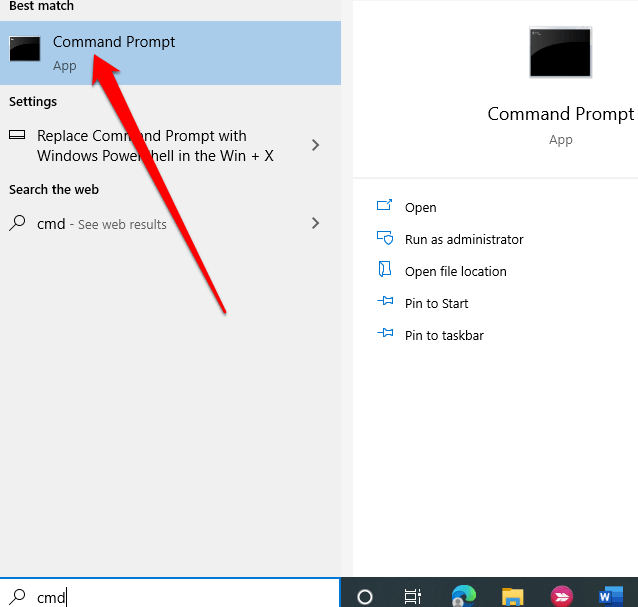
- Type CMD in the search box, press Enter and select the Command Prompt option from the search results.
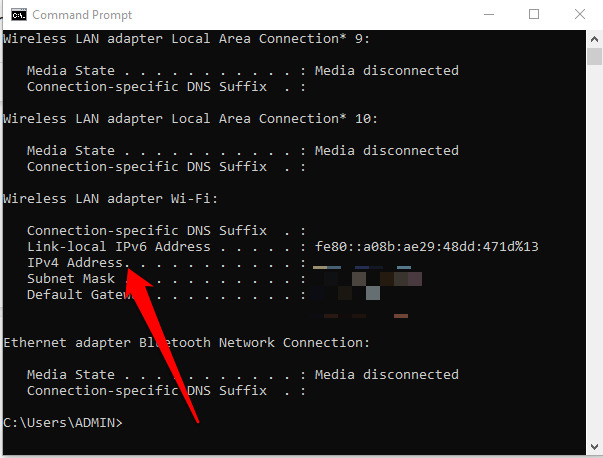
- Type ipconfig and press Enter .
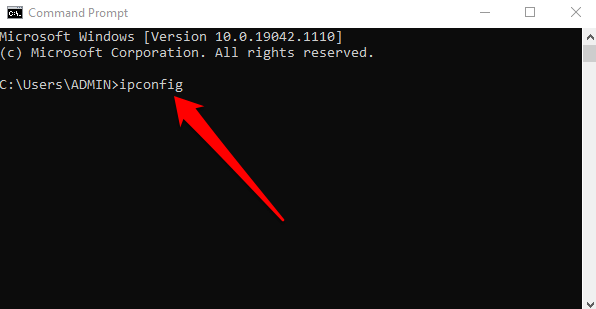
- Find the IPv4 address .
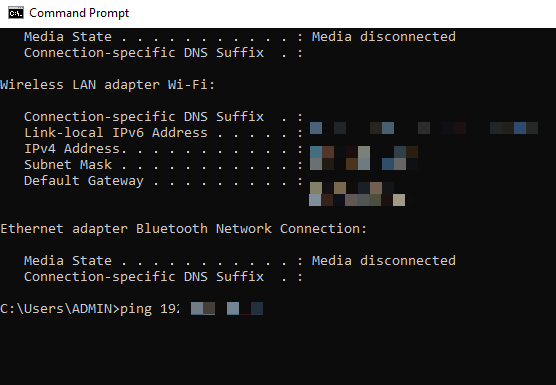
- Type ping followed by a space and the IPv4 address and press Enter .
- Next, type arp -a and press Enter . This will load the dynamic and static connections that use the IPv4 address.
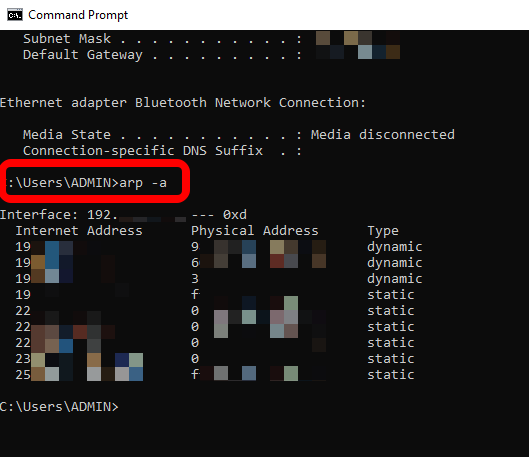
Copy the dynamic IP address you got from the arp command. Open your web browser, paste the IP address and press Enter . If you see a printer setup page with the manufacturer’s logo and other printer information like ink levels or printer status, it means the address you pasted is your printer’s IP address.
Alternatively, you can enter netstat -r in the command line and press Enter .
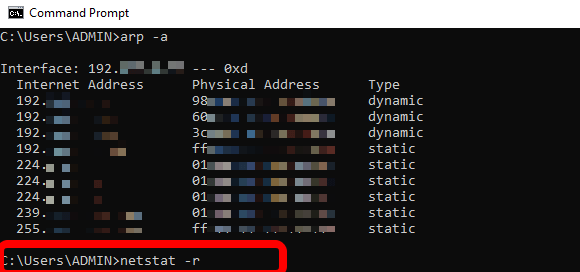
- You’ll see all the network devices connected to your PC and your printer’s IP address.
Note : You can also find your printer’s IP address by checking for the 12-digit number that appears next to the printer’s physical or MAC address.
Find a Printer IP Address Via Windows Settings
You can also find your printer’s IP address via the Windows Settings app.
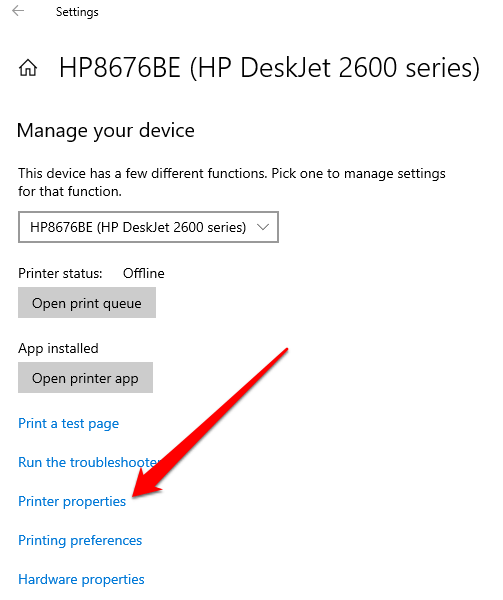
- Select Start > Settings .
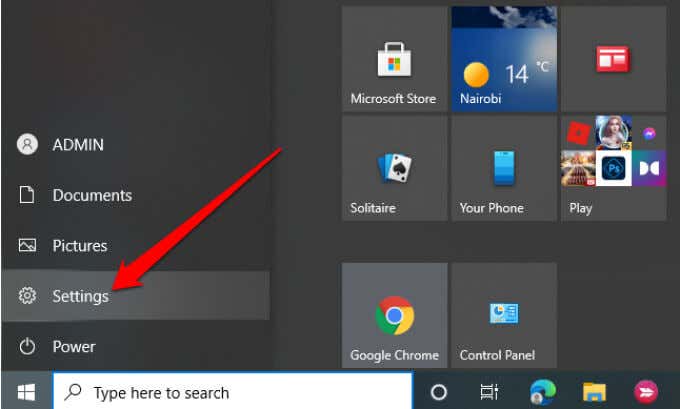
- Next, select Devices .
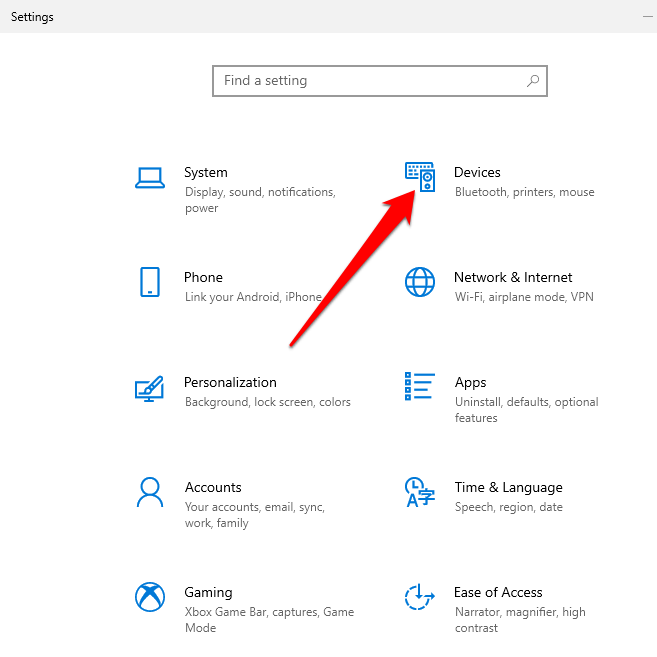
- Select Printers and Scanners on the left pane.
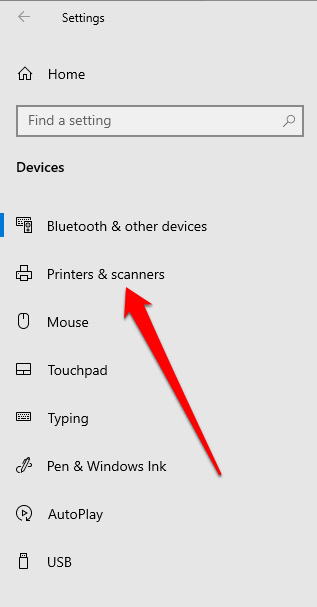
- Click on your printer and then select Manage .
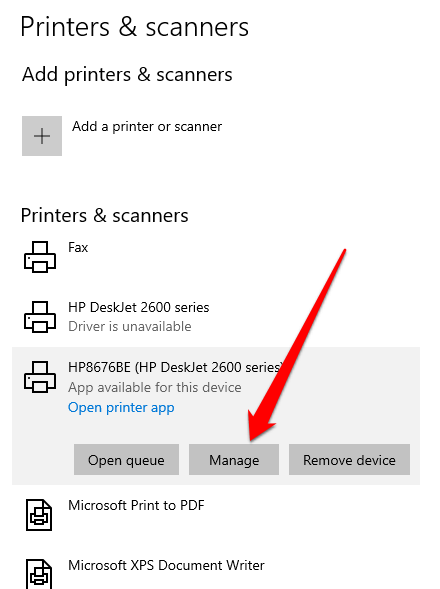
- Select Printer Properties .
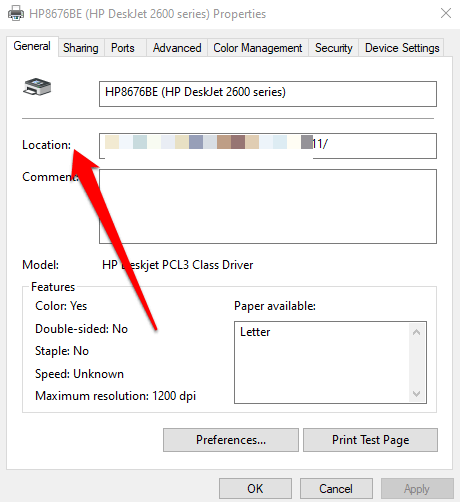
- Check for your printer’s IP address next to the Location field.
How to Find a Printer IP Address on a Mac
You can find your printer’s IP address on a Mac via System Preferences, via connected devices on your router or online using the Common Unix Printing System (CUPS).
Find a Printer IP Address on Mac Via System Preferences
System Preferences on a Mac is where you personalize your Mac’s settings. You can use it to find your printer’s IP address using the steps below.
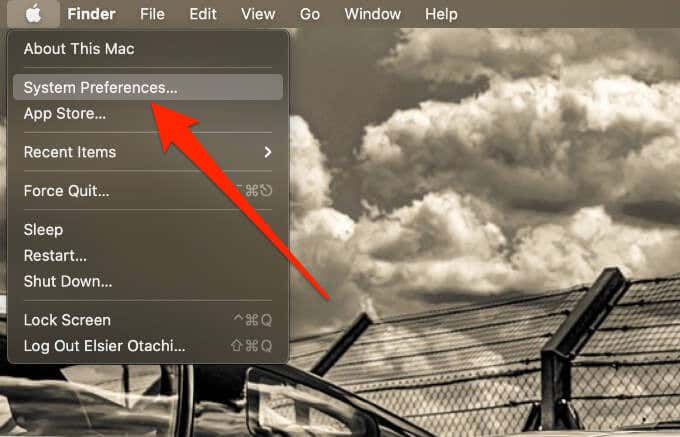
- Select Apple menu > System Preferences .
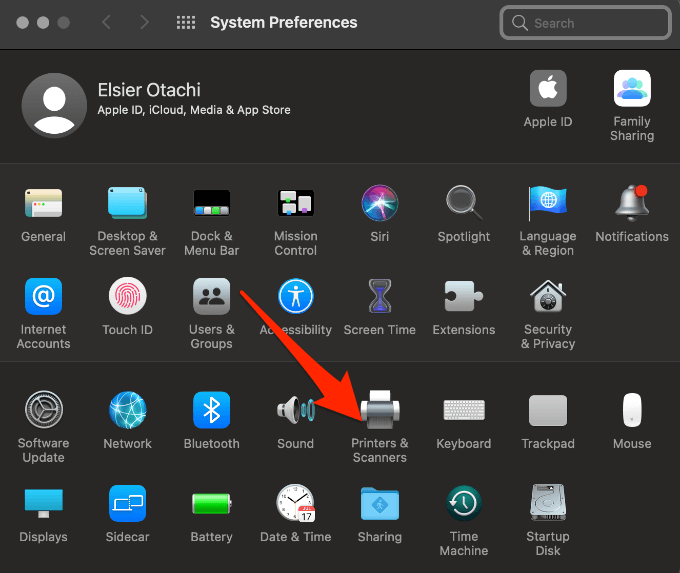
- Next, select Printers and Scanners .
- Select your printer from the left pane.
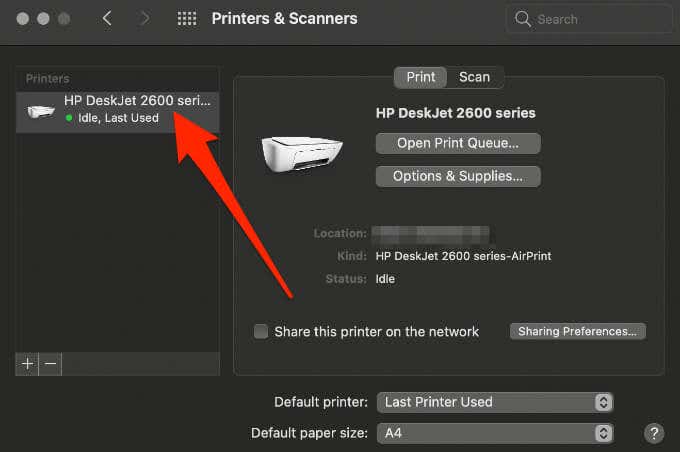
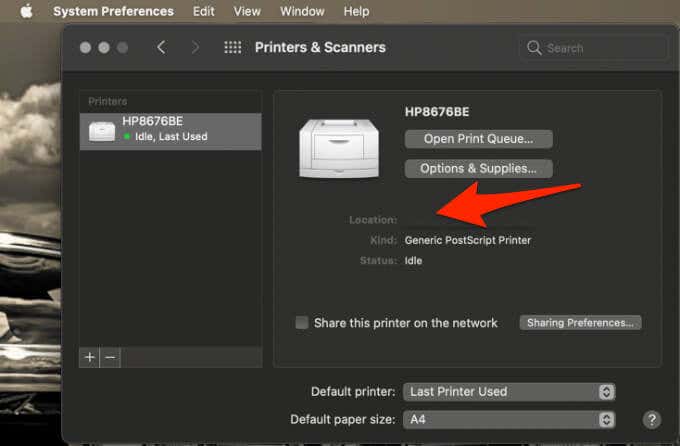
- Check for the printer’s IP address next to Location .
Find a Printer IP Address on Mac Via Connected Devices on Your Router
You can also find your printer’s IP address on a Mac via TCP/IP settings in the System Preferences menu.
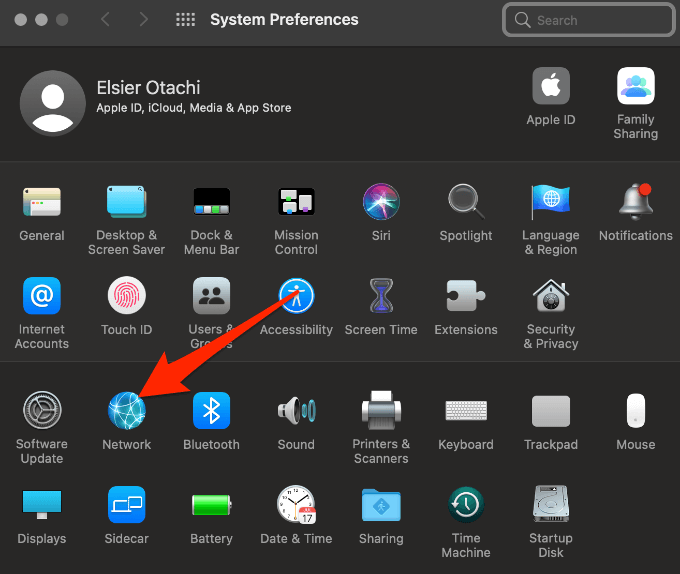
- Select Apple menu > System Preferences > Network .
- Next, select Advanced .
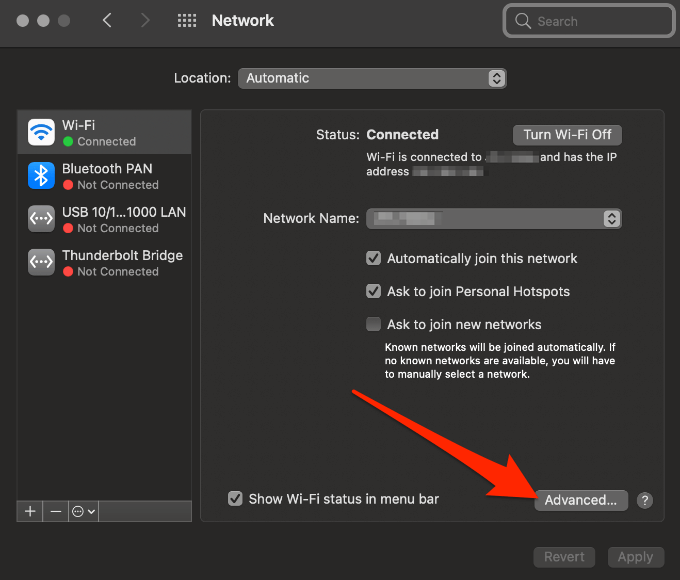
- Select the TCP/IP tab.
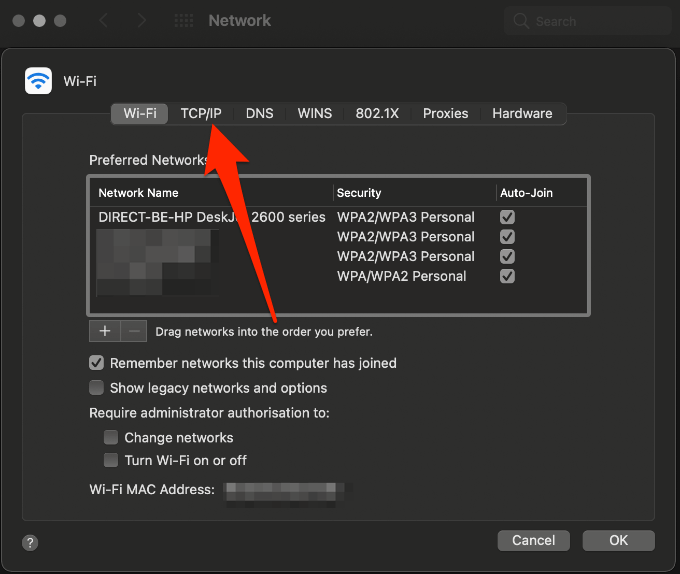
- Copy the default gateway next to Router , open your web browser and paste it into the address bar.
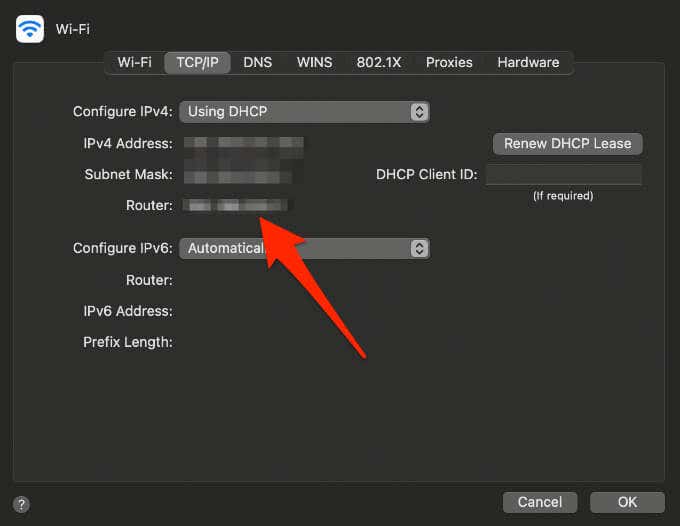
- Log in to the router with your admin ID and password, and then select Connected Devices .
Note : The information listed will be different depending on the router you’re using. However, you can check for words like connected device list, network map, network topology or similar terms.
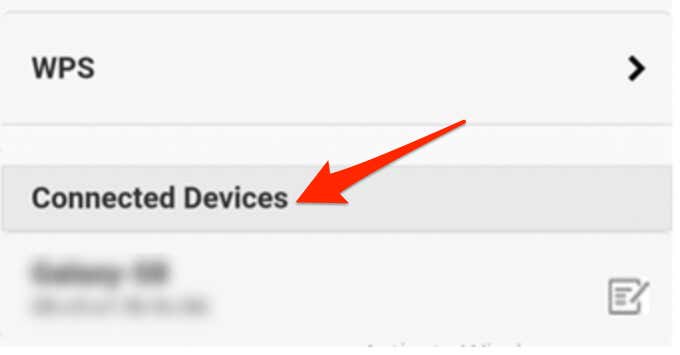
- Select your printer in the host name field and then check for your printer’s IP address in the IPv4 address section.
Find a Printer IP Address on Mac Using CUPS
CUPS is an open-source, modular printing system for UNIX-like operating systems that allow your computer to act like a print server. You can use CUPS to find your Mac’s IP address as follows.
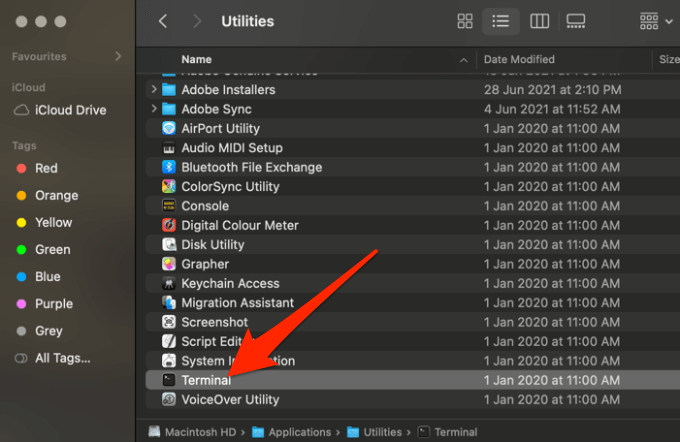
- Select Go > Utilities .
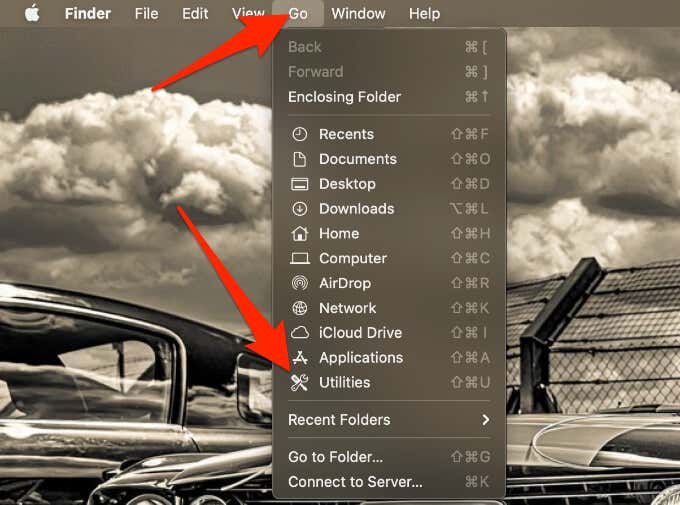
- Next, select Terminal .
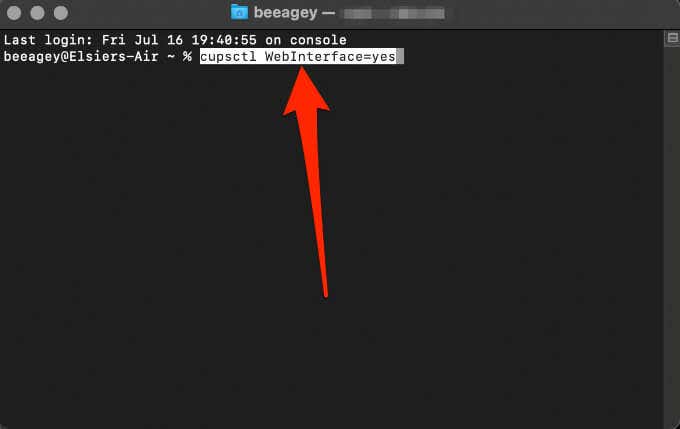
- Enter this command in Terminal: cupsctl WebInterface=yes and press Enter . This will enable the CUPS web interface.
- Next, open your web browser, type localhost:631/printers in the address bar and press Enter .

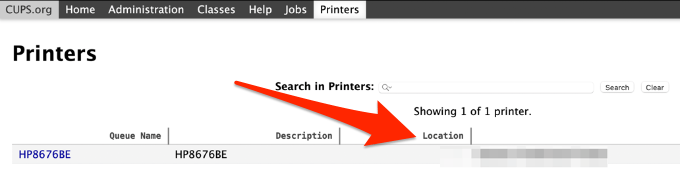
- Look for your printer’s IP address in the Location column.
Find a Printer’s IP Address Using Your Printer’s Built-in Menu
Your printer’s built-in menu is another method you can use to quickly find your printer’s IP address.
Note : For most printers, the steps below should help you find the IP address, but you can refer to your printer’s manual for exact instructions.
- Press the printer’s Home button to display the printer menu.
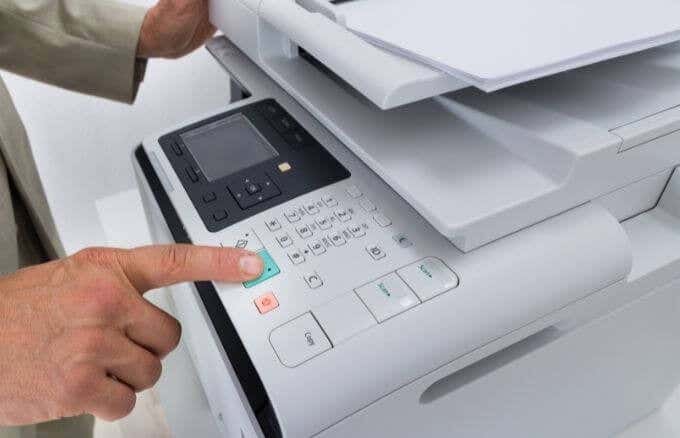
- Select either Wireless Settings , Preferences or Options and then check for your printer’s IP address at the top of the box that appears.
Note: If you don’t see the IP address, select View wireless details and check for the IP address there. Some printers may use headings like WiFi Status, Network Status or TCP/IP.
How to Find a Printer’s IP Address Via the Network Configuration Page
If you’ve tried the above steps and still can’t find your printer’s IP address, you can go to the printer’s Settings or Setup page and print it from the network configuration page.
Note : The steps will vary depending on the make and model of your printer. For this guide, we used an HP Deskjet 2600 series printer.
- Press the Wireless and Information buttons simultaneously.
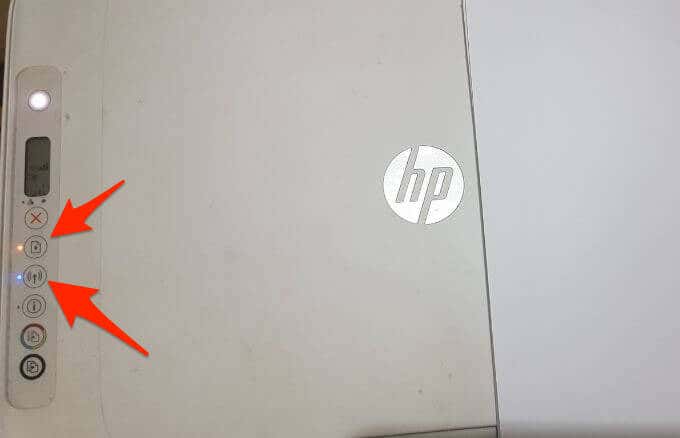
- The wireless network test report and network configuration page will be printed out. You can check for your printer’s IP address from the network configuration page.
Find Your Printer’s IP Address Easily
Now that you know how to find your printer’s IP address, you can set up your printer to your network or fix any connection issues you may be experiencing.
- How to Fix When No Wi-Fi Networks Found on Windows 11 and 10
- How to Fix the “Error – Printing” Status Error in Windows
- 7 Ways to Fix HP Printers ”Driver Is Unavailable” Error on Windows PC
- How to Fix Your Printer’s “Driver is unavailable” Error on Windows
- 7 Ways to Fix ”Windows Cannot Connect to the Printer”
Elsie is a technology writer and editor with a special focus on Windows, Android and iOS. She writes about software, electronics and other tech subjects, her ultimate goal being to help people out with useful solutions to their daily tech issues in a simple, straightforward and unbiased style. She has a BCom degree in Marketing and currently pursuing her Masters in Communications and New Media. Read Elsie’s Full Bio
